

Sustainability · 2025
In this section55 topics
- Sustainability Policy4 items
- Sustainability Goals & UN SDGs3 items
- Policy Review3 items
- Business Value Chain1 item
- Stakeholder Analysis2 items
- Environmental Policy & Guidelines4 items
- Environmental Policy Review2 items
- Energy — Plan & Guidelines3 items
- Energy — Electricity Consumption1 item
- Energy — Fuel Consumption1 item
- Energy — Targets3 items
- Energy — Performance & Outcomes3 items
- Water — Plan & Guidelines2 items
- Water — Withdrawal, Discharge & Consumption3 items
- Water — Targets3 items
- Water — Performance & Outcomes2 items
- Waste Management — Overview1 item
- Waste — Plan & Guidelines2 items
- Waste — Generation, Disposal & Recycling1 item
- Waste — Targets3 items
- Waste — Performance & Outcomes2 items
- Greenhouse Gas — Overview1 item
- GHG — Plan & Guidelines2 items
- GHG — Emissions1 item
- GHG — Emissions Verification2 items
- GHG — Principles & Standards1 item
- GHG — Targets2 items
- GHG Targets — Net Zero1 item
- GHG — Performance & Outcomes2 items
- Environmental Legal Incidents1 item
- Social Sustainability — Overview1 item
- Social Policy & Guidelines5 items
- Social Policy Review3 items
- Social — Principles & Standards Practised1 item
- Human Rights Due Diligence3 items
- Employee Management — Overview1 item
- Employees — Plan & Guidelines4 items
- Employees — Workforce1 item
- Employees — Remuneration & Provident Fund1 item
- Employees — Training & Development1 item
- Employees — Occupational Health & Safety1 item
- Employees — Labour Relations1 item
- Employees — Employee Representation3 items
- Employees — Targets3 items
- Employees — Performance & Outcomes2 items
- Customers — Plan & Guidelines4 items
- Customers — Satisfaction Results1 item
- Customers — Targets2 items
- Customers — Performance & Outcomes2 items
- Community & Social — Overview1 item
- Community & Social — Plan & Guidelines4 items
- Community & Social — Targets2 items
- Community & Social — Performance & Outcomes2 items
- Other Social Management1 item
- Law Violation Incidents1 item
Sustainability Policy
Has a Sustainability Policy
Yes
Policy Description
Com7's Sustainable Development
Due to rapid changes in technology and consumer behavior, the business sector faces challenges from economic uncertainties arising from both domestic and international factors, as well as intensifying environmental issues. Therefore, the company has formulated strategies to address these challenges and seek opportunities, reflecting its values, vision, and mission to generate good returns and stable long-term growth. The company's strategies cover three key areas as follows:
Focusing on maximizing the benefits of technology and innovation to enhance the quality of customer service, such as using data for analysis and product recommendations to meet customer needs, moving towards omnichannel sales and services, and managing digital technology risks. Additionally, internal operations are improved, and capabilities are enhanced for greater efficiency and better control.
Supporting the growth of the technology industry to ensure universal access to services, including retail business, commercial and corporate client business, service business, and online retail business. Focusing on connecting regions with a comprehensive network of branches nationwide, and developing by leveraging opportunities arising from regional expansion.
Sustainability Operations (Focusing on human resource development and maintenance, environmental, social, and governance risk management, and adherence to good governance principles to foster sustainability and contribute to achieving the nation's sustainable development goals).
The company conducts its business by focusing on three key dimensions of sustainability: Environmental, Social, and Governance (ESG). Policies and operational strategies are reviewed annually to ensure clarity, currency, and alignment with international sustainability principles, responding to the United Nations' Sustainable Development Goals (SDGs) and the Paris Agreement.
Framework and Policy for 3 Bright Sustainable Development Operations.
Economy Bright Economy | Society Bright Life | Environment Bright Earth | |
Goals | Selecting and delivering quality products and innovations with excellent service. | Enhancing quality of life, creating happiness and a sustainable society. | Jointly creating a carbon-neutral society. |
Commitment | Conducting business and creating sustainable value for the organization and its stakeholders. | Develop and maintain relationships with employees and communities, be socially responsible, and engage with all stakeholder groups. | Committed to developing, caring for, and preserving the environment, and utilizing resources efficiently for future generations. |
Sustainable Development Operating Policy The company prioritizes the United Nations' Sustainable Development Goals (SDGs), aligning them with the company's material issues to create sustainable value for all stakeholders. |
|
|
|
(Study the full policy and guidelines at http://www.comseven.com under the Investor Relations section)
Policy Document Link
https://www.comseven.com/ir_index.php?Sustainability_related
Page Number in Report
1
Sustainability Goals & UN SDGs
Has Sustainability Goals
Yes
Goals Description
Sustainable Development Goals (Sustainable Development Goals)
The company prioritizes the United Nations' Sustainable Development Goals (SDGs) by analyzing impacts and creating value to achieve balance across three dimensions: environment, society, and governance under good corporate governance. This includes product selection, resource utilization, warehouse and transportation management, distribution to customers and consumers, and after-sales service. The company focuses on 7 main goals: Goals 6, 7, 8, 11, 12, 13, and 16, which align with the company's material issues. Concurrently, it also supports another 10 goals: 1, 2, 3, 4, 5, 9, 10, 14, 15, 17, to create sustainable value for all stakeholders.
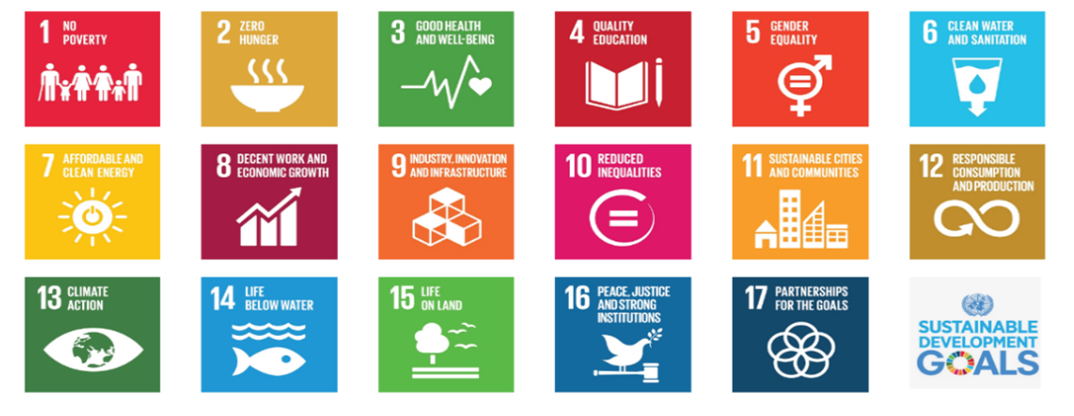
The 17 Sustainable Development Goals comprise: | |
Goal 1: No Poverty (No Poverty) | Goal 10: Reduced Inequalities (Reduce Inequalities) |
Goal 2: Zero Hunger (Zero Hunger) | Goal 11: Sustainable Cities and Communities (Sustainable Cities and Communities) |
Goal 3: Good Health and Well-Being (Good Health and Well-Being) | Goal 12: Responsible Consumption and Production (Responsible Consumption and Production) |
Goal 4: Quality Education (Quality Education) | Goal 13: Climate Action (Climate Action) |
Goal 5: Gender Equality (Gender Equality) | Goal 14: Life Below Water (Life Below Water) |
Goal 6: Clean Water and Sanitation (Clean Water and Energy) | Goal 15: Life on Land (Life on Land) |
Goal 7: Affordable and Clean Energy (Affordable and Clean Energy) | Goal 16: Peace, Justice and Strong Institutions (Peace, Justice and Strong Institutions) |
Goal 8: Decent Work and Economic Growth (Decent Work and Economic Growth) | Goal 17: Partnerships for the Goals (Partnerships for the Goals) |
Goal 9: Industry, Innovation and Infrastructure (Industry, Innovation and Infrastructure) | |
Explanation of Principles
The Sustainable Development Goals (Sustainable Development Goals (SDGs)) are a set of global development goals adopted by 193 member states of the United Nations on September 25, 2015. They represent a direction for development that all countries must pursue collaboratively to achieve sustainable development in economic, social, and environmental dimensions, covering a 15-year period from 2016 to 2030. This development considers the holistic balance of all aspects, based on natural resources, wisdom, and culture, with the participation of all groups of people, fostering compassion and mutual respect, to achieve self-reliance and equitable quality of life.
UN Sustainable Development Goals
| SDG Goal |
|---|
| Goal 6 Clean Water and Sanitation |
| Goal 6 Clean Water and Sanitation |
| Goal 6 Clean Water and Sanitation |
| Goal 7 Affordable and Clean Energy |
| Goal 8 Decent Work and Economic Growth |
| Goal 8 Decent Work and Economic Growth |
| Goal 8 Decent Work and Economic Growth |
| Goal 11 Sustainable Cities and Communities |
| Goal 11 Sustainable Cities and Communities |
| Goal 11 Sustainable Cities and Communities |
| Goal 12 Responsible Consumption and Production |
| Goal 12 Responsible Consumption and Production |
| Goal 12 Responsible Consumption and Production |
| Goal 13 Climate Action |
| Goal 13 Climate Action |
| Goal 13 Climate Action |
| Goal 16 Peace, Justice and Strong Institutions |
Policy Review
Policy Reviewed This Year
Yes
Policy Changed This Year
Yes
Review Details
The company mandates an annual review of its sustainability policies and goals. In 2025, a review was conducted, which revealed that the sustainability policies and goals align with international best practices and comprehensively cover all issues deemed important by stakeholders.
Business Value Chain
Value Chain Description
Value chain and supply chain management is a crucial strategy that will impact the sustainable operation and growth of the organization. This is due to various current problems and pressures, including issues from technological changes, geopolitical issues, climate change issues, resource scarcity issues, as well as rising energy prices. All these problems pose challenges for the company. Therefore, the company prioritizes managing every process of the value chain and supply chain to prevent business disruptions. The company thus promotes knowledge and skill development, partner ethics, legal compliance, ethical business conduct, risk management, and is committed to combating corruption. This is done with consideration for economic, social, and environmental sustainability, and responsibility towards all stakeholder groups.
Stakeholder Analysis
Introduction
Upstream | Midstream | Downstream |
|
|
|
Stakeholder Analysis
| Stakeholder Type | Stakeholders | Stakeholder Expectations | Response to Expectations | Communication Activities |
|---|---|---|---|---|
| External stakeholders | 2913 · Description: Shareholders | 1. The dividend payout ratio is satisfactory, consistent, and has the potential for higher returns.
2. Good operational performance and stable long-term business growth, with responsible business operations in line with sustainable development guidelines.
3. Disclosure of company-related information that is accurate, transparent, and timely, with an emphasis on disclosing material information.
4. Emphasis on and disclosure of information according to ESG scoring criteria for investment decision-making. | 1. Aim to generate long-term and sustainable returns.
2. Publish transparent and timely reports and disclosures.
3. Adhere to good corporate governance principles.
4. Provide opportunities for shareholders to directly submit comments and complaints to the company.
5. Maximize benefits for shareholders as a whole. | 2938 · Description: Visit · 2941 · Description: Online Communication · 2944 · Description: Annual General Meeting (AGM) |
| External stakeholders | 2923 · Description: Customers | 1. Quality products certified by relevant standards.
2. Branches covering all areas, easily accessible and convenient.
3. Diverse and comprehensive IT products.
4. Various promotional campaigns.
5. Complete product specifications and clear pricing.
6. Excellent after-sales service.
7. Handling and resolving various complaints.
8. Treating customers with equality, respecting human rights, and not taking advantage of them.
9. Protecting personal data privacy. | 1. Conduct business with integrity, ethics, and business professional conduct.
2. Distribute quality products with international certification and product warranty.
3. Integrate communication channels with customers comprehensively and seamlessly.
4. Develop and expand product distribution channels.
5. Establish a multi-channel complaint handling process for customers, ensuring rapid and efficient resolution.
6. Adhere to the principle of fair and equitable treatment of customers, without exploiting consumers.
7. Manage cyber risks.
8. Survey customer opinions and satisfaction. | 2941 · Description: Online Communication · 2945 · Description: Complaint Reception · 2947 · Description: Satisfaction Survey |
| External stakeholders | 2899 · Description: Suppliers | 1. Conduct business with integrity, transparency, and fairness
2. Do not exploit business partners
3. Mutual business growth | 1. Declare commitment and participate as a joint force of the Thai private sector in combating corruption.
2. Conduct business in accordance with business ethics principles.
3. Foster professionalism in business operations and cultivate good partnerships.
4. Support and promote business partners who demonstrate social and environmental responsibility. | 2941 · Description: Online Communication · 2943 · Description: External Meeting · 2945 · Description: Complaint Reception |
| Internal stakeholders | 2921 · Description: Employees | 1. Appropriate compensation, benefits, and welfare
2. Opportunities for career advancement and job security
3. Good quality of life, workplace safety, and occupational health
4. Development of skills, knowledge, and abilities to enhance work potential
5. Job satisfaction
6. Treatment of employees based on human rights principles | 1. Determine appropriate compensation, benefits, and welfare.
2. Define career advancement paths.
3. Annual employee engagement survey.
4. Employee potential assessment every 6 months and 1 year, and promotion of continuous training and knowledge development.
5. Exchange of opinions between supervisors and their subordinates.
6. Complaints through the whistleblowing channel.
7. Regular communication through internal electronic media. | 2941 · Description: Online Communication · 2942 · Description: Internal Meeting · 2945 · Description: Complaint Reception · 2946 · Description: Employee Engagement Survey |
| External stakeholders | 2902 · Description: Community · 2928 · Description: Society · 2936 · Other name: Environment · Description: Others | 1. Operating business safely and responsibly towards society, community, and the environment.
2. Participation in and support for social and community activities.
3. Employment. | 1. Conduct business with prudence and caution to prevent adverse impacts on society, communities, and the environment.
2. Respect human rights and promote social equality.
3. Comply with laws, other regulations, or relevant international practices.
4. Support activities or projects that benefit society, communities, and protect the environment, in alignment with the business. | 2940 · Description: Social Event · 2941 · Description: Online Communication |
| External stakeholders | 2931 · Description: Government agencies and Regulators | 1. Full compliance with laws and obligations, including laws regarding air pollution emissions, waste management, and wastewater treatment before discharge.
2. Support the operations of government agencies and cooperate in providing accurate, complete, and timely information.
3. Social and environmental responsibility, and sustainable coexistence with communities. | 1. Comply with laws, other regulations, or relevant international practices.
2. Cooperate with and support the operations of government agencies, and provide information as required by government agencies.
3. Conduct legal risk assessments. | 2939 · Description: Press Release · 2941 · Description: Online Communication · 2949 · Other name: Report or letter · Description: Others |
Environmental Policy & Guidelines
Introduction
Sustainable Environmental Management
The company focuses on business operations and growth alongside environmental impact management, striving to eliminate or reduce pollution to ecosystems that may arise from the company's business activities and stakeholders, to achieve Sustainable Development Goals (SDGs) through the development and creation of innovations to reduce carbon dioxide (CO2) emissions. Success in these goals stems from efficient energy use, resource conservation, and pollution reduction. The company also prioritizes environmental aspects such as energy and water consumption, greenhouse gas emissions, and waste management. The company has set the following objectives:
-
Raise awareness and understanding, both positive and negative, regarding the environmental impact of the company's activities and products provided to customers, and the efficient and effective use of natural resources, materials, or various equipment.
-
Define clear roles and responsibilities by setting internal business objectives and targets for monitoring and measuring environmental impacts.
-
Innovate and seek methods to reduce resource and energy consumption, as well as waste and greenhouse gas emissions, to prevent, control, and minimize impacts on the environment, communities, and society.
-
Respond promptly to the impacts of the company's operations on natural resources and biodiversity, and ensure that implemented measures can effectively address and prevent such impacts across environmental, economic, and social dimensions.
-
Continuously implement projects or maintain processes with the goal of reducing the environmental impact resulting from the company's operations and its customers, such as carbon footprint from electronic waste (e-waste), etc.
-
Comply with environmental legal requirements and strive to exceed legal regulations, as appropriate and feasible.
-
Establish frameworks or guidelines for appropriate operational plans to protect the environment, particularly from transportation operations, infrastructure, and office buildings, focusing on technology, design, operation, and maintenance to promote efficient use of natural resources and energy, as well as to reduce negative environmental impacts.
-
Manage waste generated from operations to promote maximum reuse or recycling of various materials, including reducing the use of hazardous substances.
-
Foster an organizational culture to ensure all employees are aware of and participate in the company's environmental objectives and goals.
-
Promote environmental sustainability within the supply chain by selecting partners, contractors, and business allies based on their environmental management capabilities and alignment with the company's environmental policy.
Has an Environmental Policy
Yes
Policy Description
Environmental Management Goals
Committed to achieving Net Zero Greenhouse Gas Emissions from the company's operations at the organizational level (Scopes 1 and 2) by 2050.
Reduce electricity consumption from the Metropolitan Electricity Authority by 2% compared to the previous year's consumption.
Reduce the use of cardboard boxes for packaging goods shipped from warehouses to branches by reusing them or finding alternative products, aiming to decrease cardboard box purchases by 20% compared to the previous year's purchases.
100% correct waste separation to maximize the amount of separated waste entering the recycling process, and reduce general waste by 10% compared to the previous year's waste volume.
All business operational areas have collaborative projects with local and national stakeholders, or external independent organizations, to support the reduction of impacts on ecosystems or biodiversity.
Implementation under this policy has led to various environmental management initiatives, including the expansion of outstanding environmental performance. The involvement of employees, subsidiaries, and stakeholders in environmental management is another key issue the company prioritizes to deliver happiness and sustainability in broader environmental conservation efforts. Examples of environmental management undertaken by the company are provided. To achieve its set goals, the company has established corporate-level strategies, one of the main strategies initiated in 2022 is "7 Growth Green." The scope of this strategy primarily focuses on activities related to the company's IT product retail and distribution, namely:
1. Environmentally Friendly Management (Green Store)
We are committed to being a model convenience store for energy conservation, integrating environmentally friendly design and energy efficiency through the application of modern technology, innovation, and diverse management practices to effectively manage energy.
2. Environmentally Friendly Transportation and Logistics Operations (Green Logistic)
The company has adopted the green building assessment criteria (Leadership in Energy & Environmental Design: LEED), which is one of the internationally recognized standards, for the development and design of distribution centers nationwide. Concurrently, in transportation and logistics, the company primarily focuses on energy management through the implementation of projects to reduce pollution from goods transportation and optimize delivery times.
3. Green Packaging Management
To reduce the environmental impact of packaging by minimizing the use of natural resources and post-consumer waste. The company has a policy to implement the 3R concept (Reduce – Reuse – Recycle) in its operations and to establish packaging development projects under the Environmental Friendly Packaging concept.
4. Promoting Environmental Awareness (Green Living)
The company recognizes that consumers and employees consider and are aware of environmental impacts, making them key stakeholders in driving environmental initiatives. Therefore, the company has initiated campaigns to encourage changes in consumer behavior by promoting environmentally friendly consumption through various projects, such as the "5 Baht Discount for Bringing Your Own Cup" project and the "Campaign to Use Cloth Bags Instead of Plastic Bags."
5. Green Wastewater Treatment
The company prioritizes water management within the organization, utilizing tap water for employee consumption and general use. The company continuously strives to reduce water consumption, as water is a valuable resource that must be conserved and utilized to its fullest potential. Furthermore, as the company is located near communities, it is aware of the impact of wastewater discharged from its various activities. This wastewater must be treated to meet legally mandated discharge standards, demonstrating the company's ongoing environmental responsibility.
6. Green Waste Management
The company emphasizes waste management and has established a systematic waste separation process. Waste is categorized into three types: general waste, recyclable waste, and hazardous waste. By separating recyclable waste, the volume of waste requiring disposal is reduced, which helps conserve energy and resources in waste disposal, while also protecting the environment by reducing global pollution.
7. Green Renewable Energy Solution
The company is committed to innovating and seeking methods to reduce resource and energy consumption and to find clean alternative energy sources. The company has chosen to use solar cells, which convert solar energy into direct current (DC) electricity that can be utilized immediately. This use of renewable energy replaces electricity consumption, helps reduce operational costs, and promotes sustainable energy conservation.
Environmental Guidelines
| Guideline |
|---|
| Electricity Management |
| Renewable/Clean Energy Management |
| Water Management |
| Waste Management |
| Biodiversity Management |
| Greenhouse Gas and Climate Change Management |
Environmental Policy Review
Policy Reviewed This Year
Yes
Review Details
The company mandates annual reviews. In 2025, the Sustainable Environmental Management Policy was reviewed, and its content was found to align with international best practices and fully address key stakeholder concerns. Therefore, the content remains unchanged.
Energy — Plan & Guidelines
Introduction
The company is prepared to address challenges related to natural resource consumption and energy transition by establishing an environmental policy to serve as a guideline for sustainable management and the judicious use of natural resources. It has shifted to environmentally friendly alternative energy sources and adjusted operational methods to accelerate the reduction of fossil fuel consumption, transitioning to clean and renewable energy for efficient natural resource utilization, aiming for a future with zero carbon emissions (A Zero-Carbon-Emissions Future).
Has an Energy Management Plan
Yes
Plan Description
The company has established an environmental policy as a guideline for continuously implementing energy conservation operations and activities, while also innovating and seeking ways to reduce resource and energy consumption. This includes utilizing renewable energy technologies, such as solar power, and encouraging employees to use electric vehicles by offering discounts on EV prices, among other initiatives. Furthermore, the company fosters collaboration with employees within the organization, raising awareness and understanding of the importance of energy conservation. This is achieved through disseminating knowledge about energy conservation and organizing activities to engage employees and make them aware of reducing energy consumption, for instance, the "Com7 Carpool" project.
Energy — Electricity Consumption
Electricity Consumption
| Metric | Current Year | Previous Year | Two Years Ago |
|---|---|---|---|
| Total electricity consumption within the organization (Kilowatt-Hours) | 1,521,345.17 | 1,643,921.94 | 1,598,394.92 |
| Electricity purchased for consumption from non-renewable energy sources (Kilowatt-Hours) | 839,617.4 | 1,498,176 | 1,459,000 |
| Electricity purchased or generated for consumption from renewable energy sources (Kilowatt-Hours) | 681,727.77 | 145,745.94 | 139,394.92 |
Energy — Fuel Consumption
Fuel Consumption
| Metric | Current Year | Previous Year |
|---|---|---|
| Crude oil (Barrels) | ||
| Coal (Metric tonnes) | ||
| Jet fuel (Litres) | ||
| Diesel (Litres) | 166,409.53 | 77,993.38 |
| Gasoline (Litres) | 6,725.42 | 31,850.12 |
| Fuel oil (Litres) | ||
| Natural gas (Standard cubic feet) | 0 | 514.63 |
| LPG (Kilograms) | ||
| Steam (Metric tonnes) |
Energy — Targets
Introduction
Goals
Short-term
-
Maintain electricity generation from solar energy projects at no less than 140,000 kilowatt-hours per year (kWh/year).
-
Reduce electricity consumption from the Metropolitan Electricity Authority by 2% compared to the previous year.
Long-term
-
Reduce electricity consumption from the Metropolitan Electricity Authority by 25% from the base year (by 2030).
Has Set Targets
Yes
Targets
| Target | Base Year | Base Year Value | Target Year | Target Year Value | Target Change (%) | Unit |
|---|---|---|---|---|---|---|
| Increase of fuel consumption from renewable energy sources | 2,024 | 145,745.94 | 2,025 | 14,574.59 | 10 | Kilowatt-hour |
| Reduction of electricity purchased and fuel consumption | 2,024 | 1,296,610.19 | 2,025 | 25,932.2 | 2 | Kilowatt-hour |
Energy — Performance & Outcomes
Introduction
Although the nature of the company's business does not directly impact the environment or cause obvious pollution like industrial factories or certain types of businesses, the company has consistently prioritized and cared for environmental matters. The company is well aware of global climate change and its impact on the livelihoods of the general public. Therefore, it has continuously campaigned and instilled in employees a sense of responsibility towards the environment. The company has implemented environmental management initiatives with the objective of promoting resource reduction and the beneficial reuse of used resources, as well as seeking alternative materials or methods to reduce resource consumption and utilizing equipment that helps mitigate global warming. Furthermore, it has introduced activities for employees to participate in, fostering awareness, understanding, and a shared environmental consciousness, as follows:
Has Performance Results
Yes
Performance Description
1. Solar Energy Project.
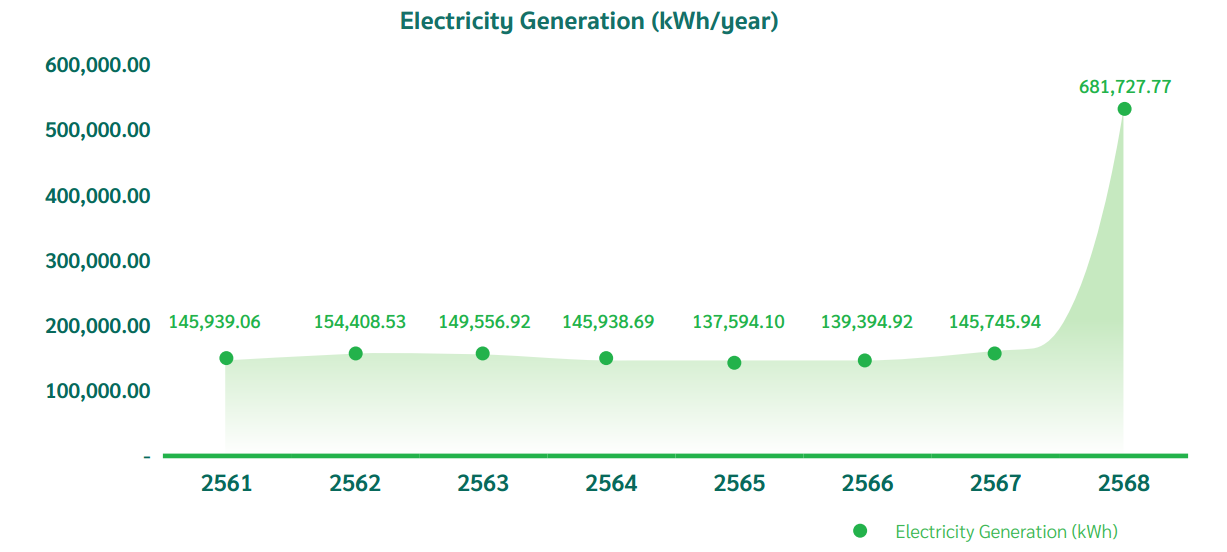
In 2025, the company expanded the production capacity of its solar energy project (Solar Cell) from 150 kilowatts (kW) to 470 kilowatts (kW) to reduce reliance on fossil fuels and transition to clean, renewable, or alternative energy. Solar cells can convert solar energy into direct current (DC) electricity, which can be utilized immediately. This involves grid-connected solar rooftop electricity generation, used in conjunction with the Metropolitan Electricity Authority's distribution system. If electricity from the solar panels is insufficient, electricity from the Metropolitan Electricity Authority will be drawn, which helps reduce operational costs and promotes sustainable energy conservation.
In 2025, solar cells are projected to generate 681,727.77 kWh of electricity, helping to reduce Metropolitan Electricity Authority costs by 2,444,929.04 Baht (calculated from the average monthly electricity cost) and reduce carbon dioxide emissions (CO 2 ) by 256.51 tCO 2 e/year
2. Energy Management.
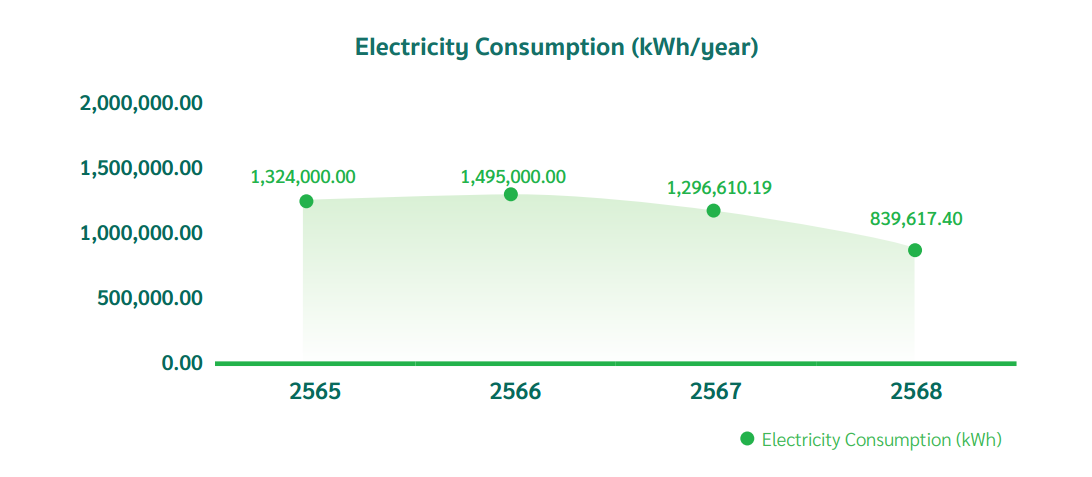
The company is committed to seeking alternative energy sources by expanding its solar cell energy projects to reduce electricity consumption from the Metropolitan Electricity Authority. For the year 2025, electricity consumption from the Metropolitan Electricity Authority is projected to be 974,915 kWh, a decrease of 3,211,695 kWh or 24.81% from 2024 (base year). This reduction is due to the company's expansion of its solar cell energy projects and the serious and continuous commitment of all employees to energy saving and reduction.
Furthermore, the company educates and campaigns for economical electricity use. Within the office building, activities are organized for employees to participate, ensuring they continuously recognize the importance of energy conservation and carbon dioxide emission reduction. The company has the following policies and guidelines for energy reduction:
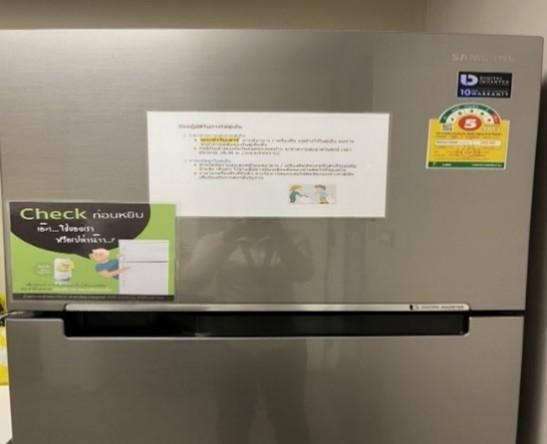
Selection of high-efficiency tools and equipment. Electricity saving measures include selecting energy-efficient appliances (labeled No. 5), using LED light bulbs for energy saving, etc.
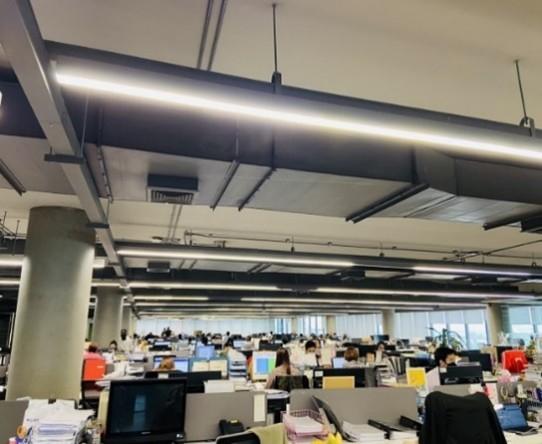
Separate Row On-Off Light Switch System. Indicate the location of light bulbs on the light switches. This allows for turning on only the lights in specific, easily accessible areas, reducing the need to turn on all lights when not in use.
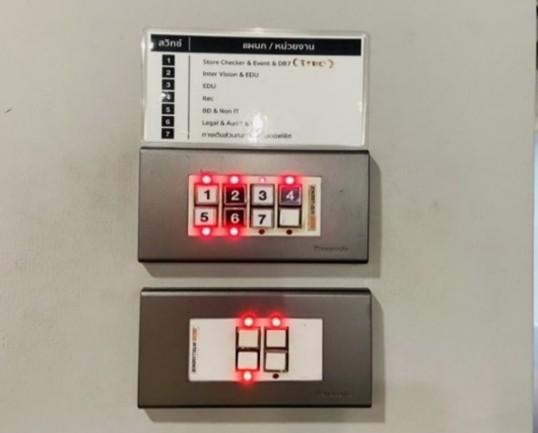
Automatic On-Off Lighting System. Within the office, electricity is scheduled to be turned on and off during two periods: 08:00 – 12:00 and 13:00 – 19:00. After 19:00, lights within the office will turn off every hour, helping to prevent instances of forgetting to turn off lights after use. Employees can turn on specific lights after the automatic lighting system has activated.
Automatic SENSOR lighting system in the kitchen. Lights operate only when users are present and turn off when there are no users, preventing instances of forgetting to turn off lights after use. This helps reduce electricity consumption and ensures lighting is available when needed.
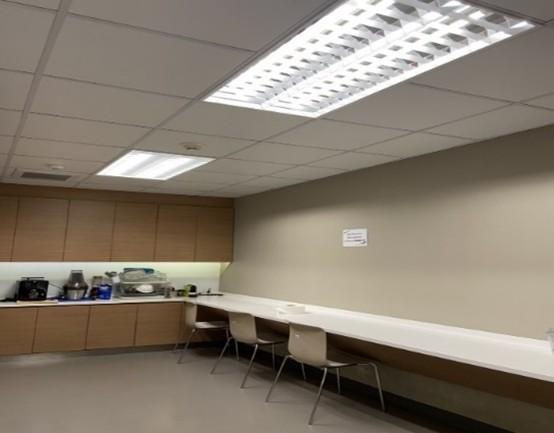
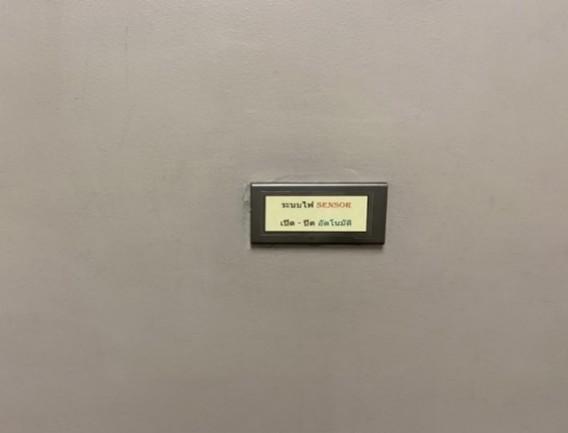
Use automatic air conditioning on/off system. Air conditioners are scheduled to turn on at 09:00 and off at 18:00, with the temperature set at 25 degrees Celsius. Maintenance and cleaning of office air conditioners are scheduled every 6 months, involving washing filters and air purifier fans to prevent dust accumulation in the filters, which would cause the air conditioner to work harder and increase electricity consumption.
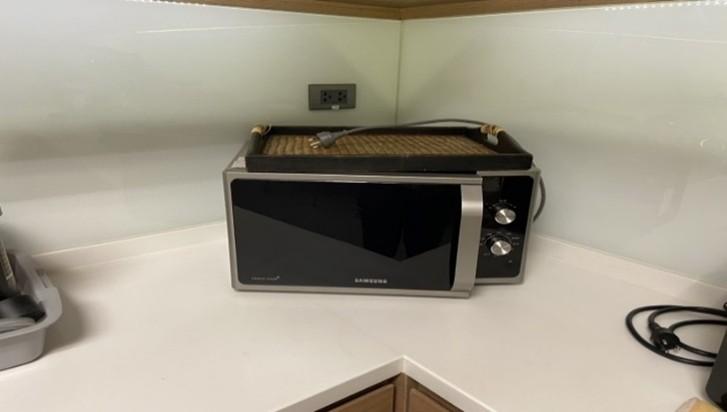
Turn off all electrical appliances when not in use. For example, unplugging the microwave after each use, turning off computers immediately after work, etc.
Branches use LED light bulbs. All. This leads to electricity savings and relatively low heat, which helps reduce ambient temperature, resulting in less work for air conditioners and increased durability.
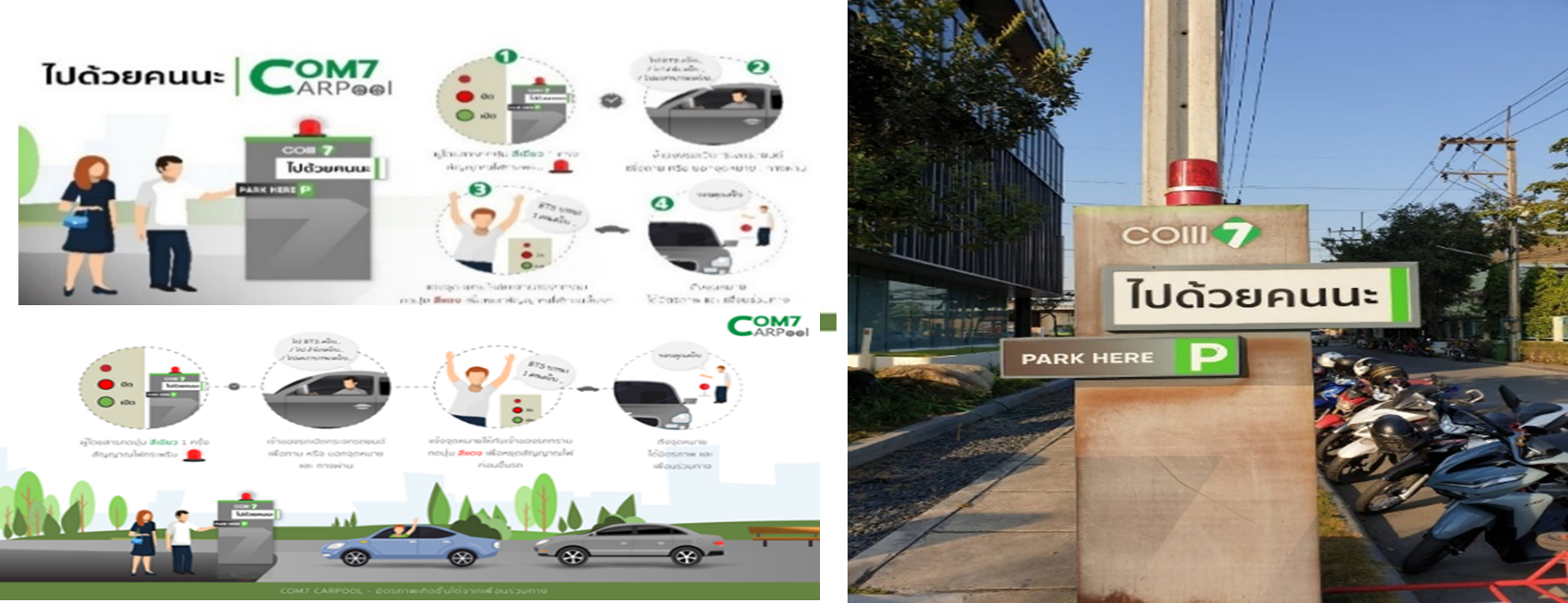
"Com7 Carpool" Project.
This is a campaign to encourage employees to reduce energy consumption by inviting those who travel in the same direction to carpool. This helps save travel expenses, reduces energy consumption, lowers PM 2.5 dust levels, and decreases the number of vehicles on the road, thereby reducing carbon dioxide emissions (CO2 Emissions). The company focuses on business operations and growth alongside environmental impact management, aiming to eliminate or reduce pollution to ecosystems, and also disseminates information through various company media, such as announcement boards.
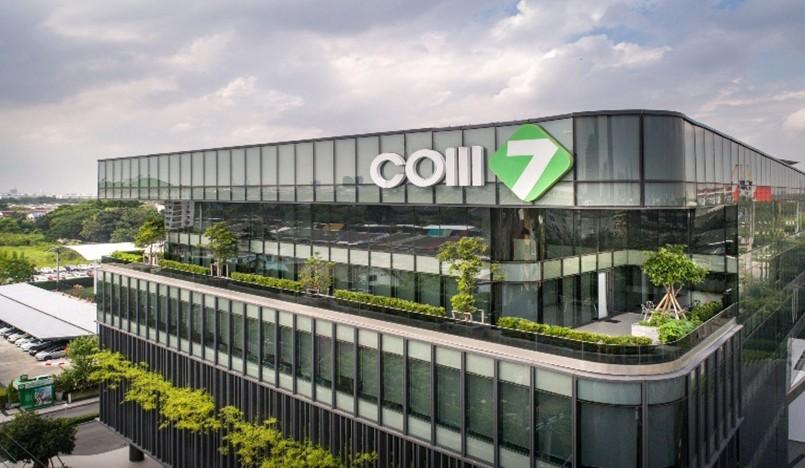
Office building design aligns with the Green Building concept.
The company has designed its office building in accordance with the Green Building concept, which considers environmental impact. The construction of the building prioritizes efficient use of resources, energy, and the environment, with quality space allocation, reduced energy consumption, and increased green areas within the building to enhance the quality of life for its occupants.
The building perimeter uses laminated glass, made from high-strength and high-safety tempered glass, which provides excellent heat protection and blocks over 90% of UV rays. This makes the office interior aesthetically pleasing, airy, prevents heat accumulation, and allows more natural light to enter the building, thereby reducing the need for artificial lighting. Additionally, long LED light bulbs are used inside the building, which are energy-efficient and free from fluorescent coatings, mercury, or halogens. They are made from special plastic, have a lifespan of tens of thousands of hours, and do not contain filaments, eliminating the need for heat to generate light. This keeps the interior of the building cool and reduces the workload of air conditioners, contributing to sustainable energy conservation.
Water — Plan & Guidelines
Has a Water Management Plan
Yes
Plan Description
The company's tap water usage is for the consumption of its employees. The company promotes awareness among its personnel regarding water usage, water conservation, and campaigns for economical water use to achieve maximum benefit. The Building Maintenance Department is assigned to regularly inspect water pipes and various equipment, and to select water-saving toilets, faucets, and bidet sprays. Furthermore, the company has an efficient wastewater treatment system, and the quality of wastewater from the building meets the standards prescribed by law. The treatment system is regularly maintained and inspected, ensuring that wastewater is treated before being discharged into public water sources, in compliance with legal requirements and without adverse environmental impact on the surrounding communities.
Water — Withdrawal, Discharge & Consumption
Discharge by Destination — Introduction
The company has installed an efficient water treatment system and regularly maintains and inspects its condition. Wastewater from the building originates from water used for consumption and daily activities by employees within the building, such as sanitation, cooking, and washing. This wastewater contains contaminants from various activities that could potentially impact health and the environment. Therefore, the company employs physical wastewater treatment using screens to capture large debris, such as wood scraps and plastic fragments. Additionally, a grease trap is utilized to separate grease, preventing it from mixing with the wastewater, thereby preserving the initial water quality before it enters the wastewater treatment system, which includes a holding pond before discharging the treated water into public water sources.
From the wastewater measurement conducted by an authorized agency, it was found that the results of the wastewater quality inspection from the building were within the legal standards (Building Type B). In 2025, the company measured the wastewater quality, and when compared to the wastewater quality standards according to the Ministry of Natural Resources and Environment's announcement, it was found to be within the prescribed standards, and no environmental complaints were received from relevant parties.
Furthermore, the company reuses a portion of the treated water for various company activities to maximize its benefits, such as watering plants within the company premises.
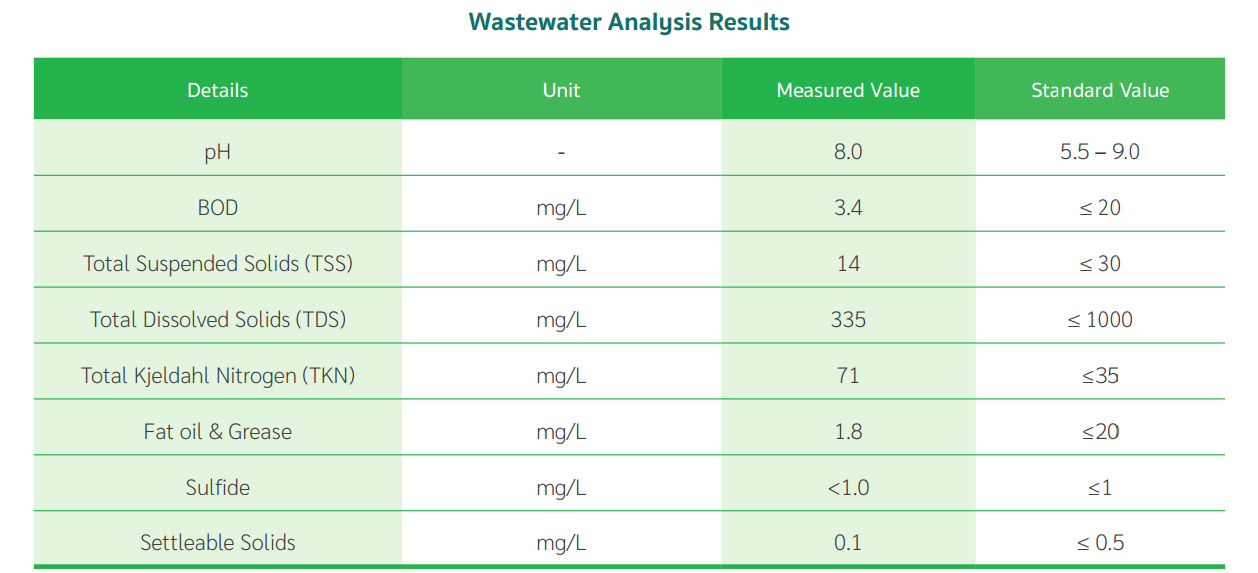
Annual wastewater quality analysis was conducted on August 21, 2025, by Environment and Laboratory Co., Ltd. (registered with the Department of Industrial Works).
Recycling — Introduction
The company has reused some treated water in various company activities to maximize its benefits, such as for watering plants within the company.
Water Withdrawal, Discharge & Consumption
| Metric | Current Year | Previous Year | Two Years Ago |
|---|---|---|---|
| Total water withdrawal (Cubic meters) | 16,635 | 13,392 | 13,002 |
| Total water withdrawal by third-party water (Cubic meters) | 16,635 | 13,392 | 13,002 |
| Total water withdrawal by surface water (Cubic meters) | |||
| Total water withdrawal by groundwater (Cubic meters) | |||
| Total water withdrawal by seawater (Cubic meters) | |||
| Total water withdrawal by produced water (Cubic meters) | |||
| Percentage of wastewater treated before discharge (%) | 100 | 100 | 100 |
| Total water discharge (Cubic meters) | |||
| Total water discharge to third-party water (Cubic meters) | |||
| Total water discharge to surface water (Cubic meters) | |||
| Total water discharge to groundwater (Cubic meters) | |||
| Total water discharge to seawater (Cubic meters) | |||
| Total water consumption (Cubic meters) | 16,635 | 13,392 | 13,002 |
| Recycled water (Cubic meters) |
Water — Targets
Introduction
The company has prioritized internal water management and is aware of the impact of wastewater discharge. Wastewater must be treated 100% according to legally mandated standards, and there must be no complaints regarding wastewater discharge from nearby communities. This demonstrates the company's continuous environmental responsibility. Furthermore, the company has set a target to "reduce water consumption per employee by 30% by 2030, compared to the base year 2024."
Has Set Targets
Yes
Targets
| Target | Base Year | Base Year Value | Target Year | Target Year Value | Target Change (%) | Unit | Per Unit (Intensity) | Per Unit — Please Specify |
|---|---|---|---|---|---|---|---|---|
| Reduction of water withdrawal | 2,024 | 0.03 | 2,028 | 0.01 | 30 | Cubic meters | Person(employee) | Person(employee) |
Water — Performance & Outcomes
Has Performance Results
Yes
Performance Description
In 2025, the company's total tap water consumption was 14,267 cubic meters (cu.m.), used for the general consumption and daily needs of employees. Water consumption increased by 520 cubic meters, or 3.23%, from 2024. This increase is attributed to the company's business expansion and the resulting increase in the number of employees compared to the previous year.
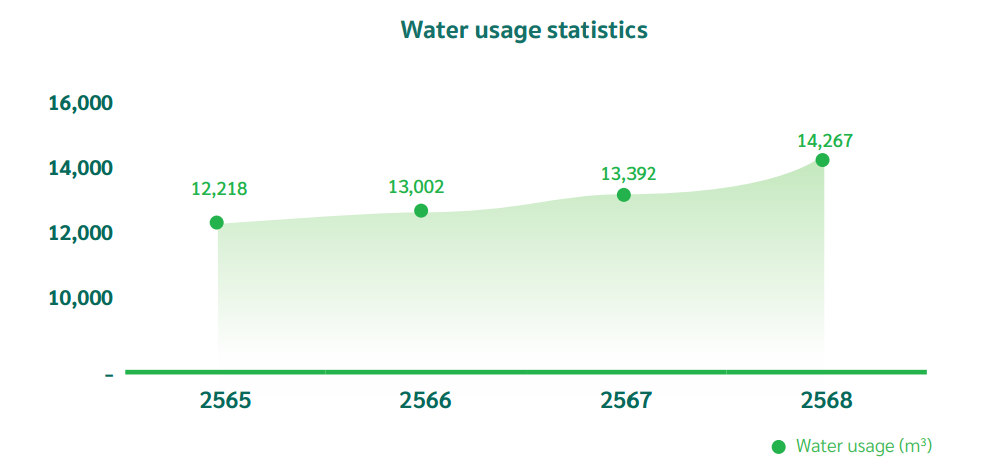
The average water consumption per employee in 2025 was 0.036 cubic meters/person/day. Compared to 2024, when the average water consumption per employee was 0.032 cubic meters/person/day, water consumption increased by 0.004 cubic meters/person/day, or 12.50%, exceeding the set water consumption target. The company is committed to reducing water consumption and ensuring it does not exceed the established target by instilling a conservation mindset and educating employees on efficient water usage. Automatic push-button faucets have been installed to prevent forgetting to turn off water after use, which can help reduce water consumption.
Waste Management — Overview
Introduction
The company prioritizes efficient waste management by strictly adhering to legal regulations and authorized agencies, and by supporting a zero-waste approach. Currently, the volume of waste is increasing, and waste management costs have nearly doubled. Furthermore, inappropriate resource utilization leads to waste generation at every stage of the supply chain, from production processes and transportation to consumption. This waste significantly contributes to greenhouse gas emissions, such as methane and carbon dioxide. It also causes pollution to water sources and air quality, for instance, leachate, hydrogen sulfide, and methane, and may also affect the health of surrounding communities in the long term.
Waste — Plan & Guidelines
Has a Waste Management Plan
Yes
Plan Description
The company is committed to sustainable waste management to prevent and mitigate potential pollution impacts. This is achieved by adhering to the 3Rs waste management principles: Reduce, Reuse, and Recycle, aiming to minimize environmental impact and benefit surrounding communities. Furthermore, an E-Waste project has been established to collect and properly dispose of electronic waste, continuously striving towards the goal of zero waste to landfill.
Waste — Generation, Disposal & Recycling
Waste Generation, Disposal & Recycling
| Metric | Current Year | Previous Year | Two Years Ago |
|---|---|---|---|
| Total waste generated (Kilograms) | 52,070 | 60,160 | 0 |
| Non-hazardous waste (Kilograms) | 52,070 | 60,160 | |
| Non-hazardous waste - Landfilling (Kilograms) | 52,070 | 60,160 | |
| Non-hazardous waste - Incineration (with energy recovery) (Kilograms) | |||
| Non-hazardous waste - Incineration (without energy recovery) (Kilograms) | |||
| Non-hazardous waste - Other disposal operations (Kilograms) | |||
| Hazardous waste (Kilograms) | |||
| Hazardous waste - Landfilling (Kilograms) | |||
| Hazardous waste - Incineration (with energy recovery) (Kilograms) | |||
| Hazardous waste - Incineration (without energy recovery) (Kilograms) | |||
| Hazardous waste - Other disposal operations (Kilograms) | |||
| Total reused/recycled waste (Kilograms) | 6,210 | 6,130 | |
| Reused/Recycled non-hazardous waste (Kilograms) | 6,210 | 6,130 | |
| Reused non-hazardous waste (Kilograms) | 6,210 | 6,130 | |
| Recycled non-hazardous waste (Kilograms) | |||
| Reused/Recycled hazardous waste (Kilograms) | |||
| Reused hazardous waste (Kilograms) | |||
| Recycled hazardous waste (Kilograms) |
Waste — Targets
Introduction
Goal
Short-term
-
Continuously enhance waste management control in accordance with the 3Rs principles.
-
Reduce office waste through consumption reduction and promotion of recycling.
Long-term
-
Achieve zero waste to landfill by 2030.
Has Set Targets
Yes
Targets
| Waste Type | Disposal Approach | Target | Base Year | Base Year Value | Target Year | Target Year Value | Target Change (%) | Unit |
|---|---|---|---|---|---|---|---|---|
| Non-hazardous waste | 2758 · Description: Reuse · 2760 · Description: Landfilling | Reduce waste volume | 2,024 | 55.19 | 2,025 | 2.76 | 5 | Tonne |
Waste — Performance & Outcomes
Has Performance Results
Yes
Performance Description
In 2025, waste management involved recycling 20.58% of the total waste volume and disposing of 79.42% by landfill. The amount of waste disposed of by landfill decreased by 3.18 tons or 4.80% from the baseline year (compared to baseline year 2024).
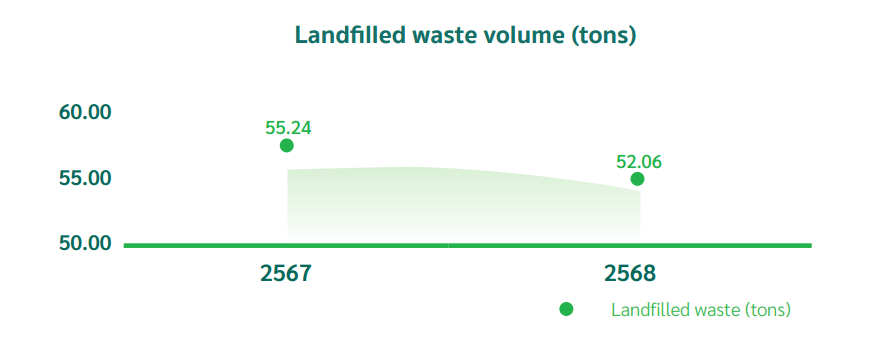
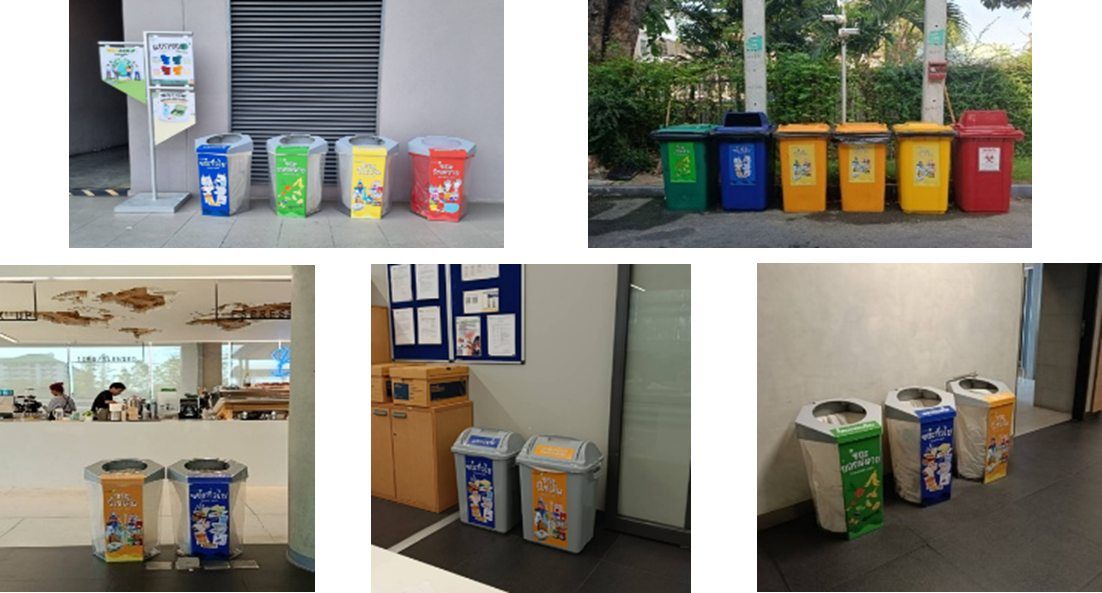
All office waste (100%) is separated into 4 categories: (1) General Waste, which is non-biodegradable waste such as plastic bags, food-contaminated containers, and tissue paper; (2) Recyclable Waste, such as plastic bottles, glass bottles, and cans; (3) Biodegradable Waste, such as food scraps and fruit peels; and (4) Hazardous Waste, such as face masks and coronavirus testing kits. Waste management is based on the 3Rs principle: 1) Reduce, 2) Reuse, and 3) Recycle, as follows:
1. Reduce Usage
Project "5 Baht Discount for Bringing Your Own Cup"
The company continuously supports the reduction of plastic cup usage through the "Bring Your Own Cup for a 5 Baht Discount" project at the store. Black " at the Head Office branch, where customers must bring cup Plastic Tumbler or Tumbler clean ones. to receive a 5 Baht discount. The company aims to reduce plastic waste. In 2025, the estimated reduction in plastic cup usage is 8,299 units.
Project "Campaign for Using Cloth Bags Instead of Plastic Bags"
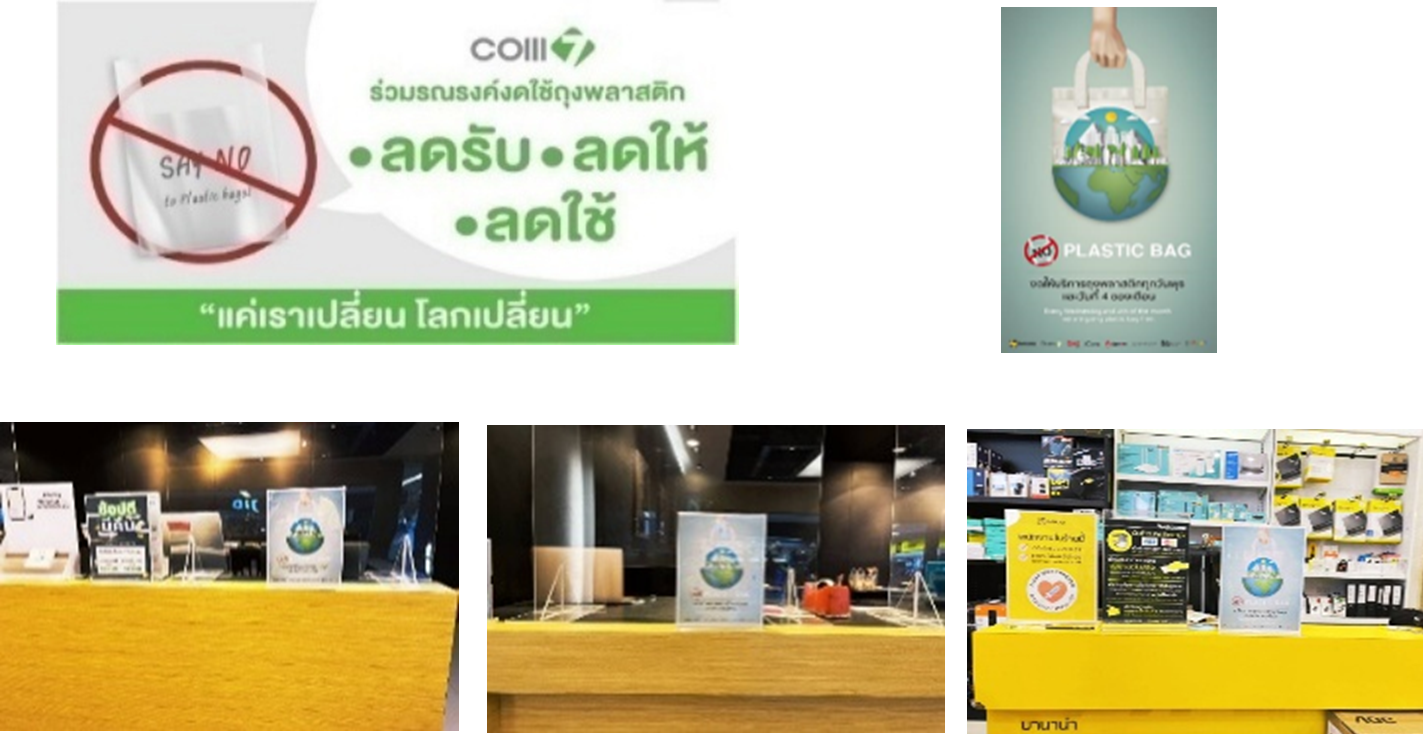
The company recognizes the importance of reducing plastic bag waste in the environment, which is a cause of global warming affecting entire ecosystems. It aims to change customer behavior to be aware of their participation. Therefore, it has implemented a campaign to reduce and cease the distribution of plastic bags in stores by refraining from providing plastic bags every Wednesday and on the 4th day of each month, starting from January 1, 2020. For products with large packaging, the company will adapt plastic scraps to attach to the packaging for carrying goods instead of using plastic bags, with the aspiration of being part of creating environmental sustainability for the community, society, and the nation. This is publicized through various company media, such as in-store promotional signs and notice boards.
2. Reuse
Using reusable packaging boxes for product transportation.
The company has introduced reusable plastic packaging boxes to replace paper packaging for circulating goods from warehouses to various branches, with the objective of reducing waste and saving costs. It was found that the use of reusable boxes can reduce the use of paper boxes by approximately 80,000 units per year. However, some product types cannot be packed into reusable boxes. Therefore, the company has a policy to reuse paper packaging that is still in good condition to reduce single-use consumption.
3. Recycling Waste
Project "Office Waste Separation"
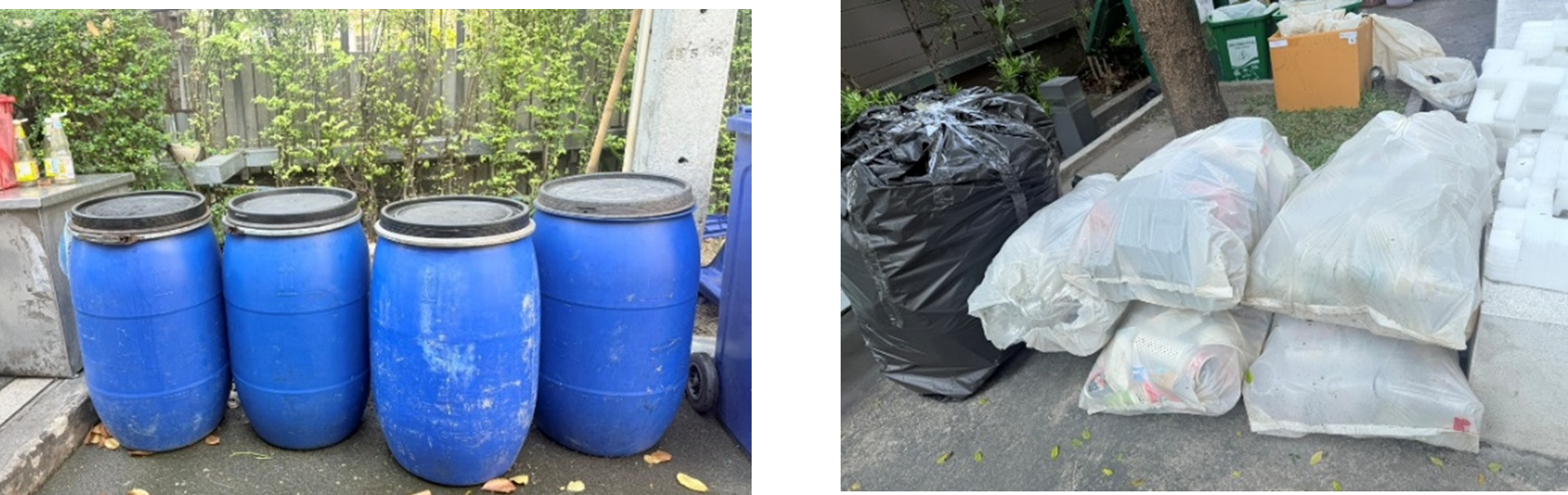
The company encourages employees to be aware of maximizing resource utilization and to change waste separation behaviors to facilitate recycling processes. It has established a comprehensive waste management system by providing color-coded bins with waste type labels: 1) Blue = General Waste, 2) Green = Wet Waste, 3) Yellow = Recyclable Waste, and 4) Red = Hazardous Waste. This allows for waste separation for recycling through purchases from Wastebuy Delivery Co., Ltd. Since November 2025, 579.10 kilograms of recyclable plastic, paper boxes, and paper have been collected, helping to reduce greenhouse gas emissions by an average of 2.3 kilograms. A portion of this is delivered to the district office for the BMA to utilize as a resource.
Project "This Home Doesn't Mix Waste"
In November 2025, the company joined the "This Home Doesn't Mix Waste" project by the Bangkok Metropolitan Administration (BMA), a project aimed at encouraging citizens to sort waste at the source for sustainable waste management, reducing the amount of waste requiring disposal, and lowering waste disposal costs. Proper waste separation helps reduce environmental impact and increases opportunities for reuse.
The company has separated food waste into bins provided by Bang Na District for farmers to use as compost or animal feed. Non-saleable recyclable waste has been separated and given to the BMA for further energy production.
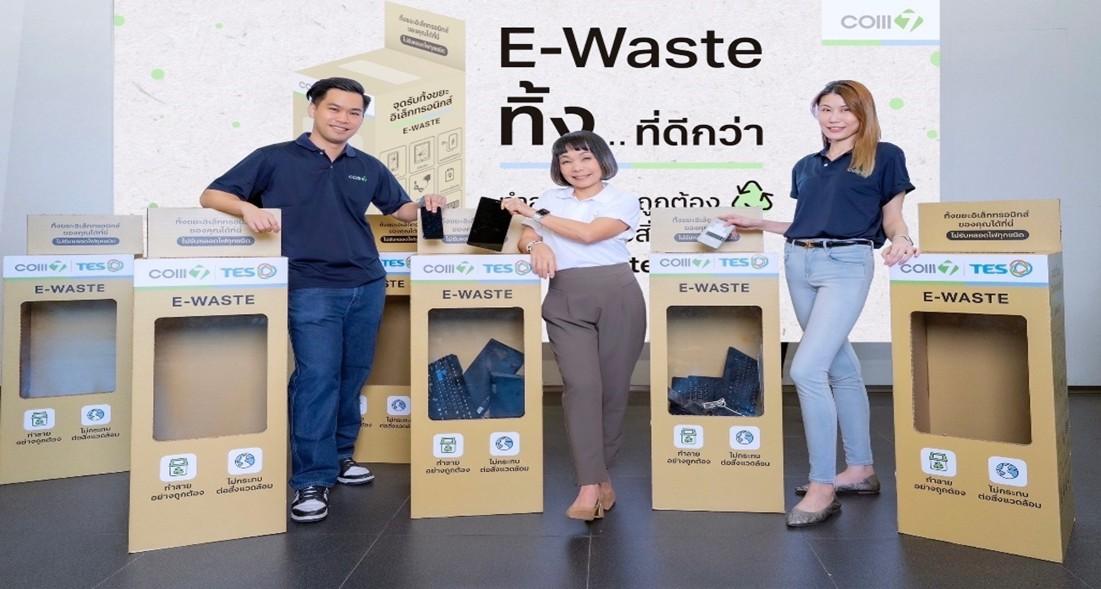
Project "Better E-Waste Disposal with Com7"
has organized a project inviting Thais to dispose of "E-Waste" with Com7, initially launched at 7 BaNANA stores, to raise awareness and participate in creating a sustainable environment. The types of E-Waste that can be dropped off at the collection points include mobile phones, tablets, computers, charging cables, various accessories, computer components, and unused electronic devices. The general public can bring these wastes to 7 BaNANA store branches: CentralWorld, Mega Bangna, The Mall Bangkapi, The Mall Bangkae, Central Rama 2, Central Pattaya, and Future Park Rangsit. The company intends to expand its electronic waste collection points to cover more areas.
Greenhouse Gas — Overview
Introduction
The company recognizes the impacts of climate change on the economy, society, and environment. Factors such as greenhouse gas emissions and global warming are international situations that lead to risks and impacts on the company's business operations, such as increased energy costs and stricter environmental regulations. Therefore, the company prioritizes both greenhouse gas emission reduction (Mitigation) and adaptation to climate change (Adaptation) to achieve long-term sustainability. The company has set a target of Net Zero greenhouse gas emissions by 2050.
The company operates and discloses information in accordance with the Task Force on Climate-Related Financial Disclosures (TCFD) framework, as follows:
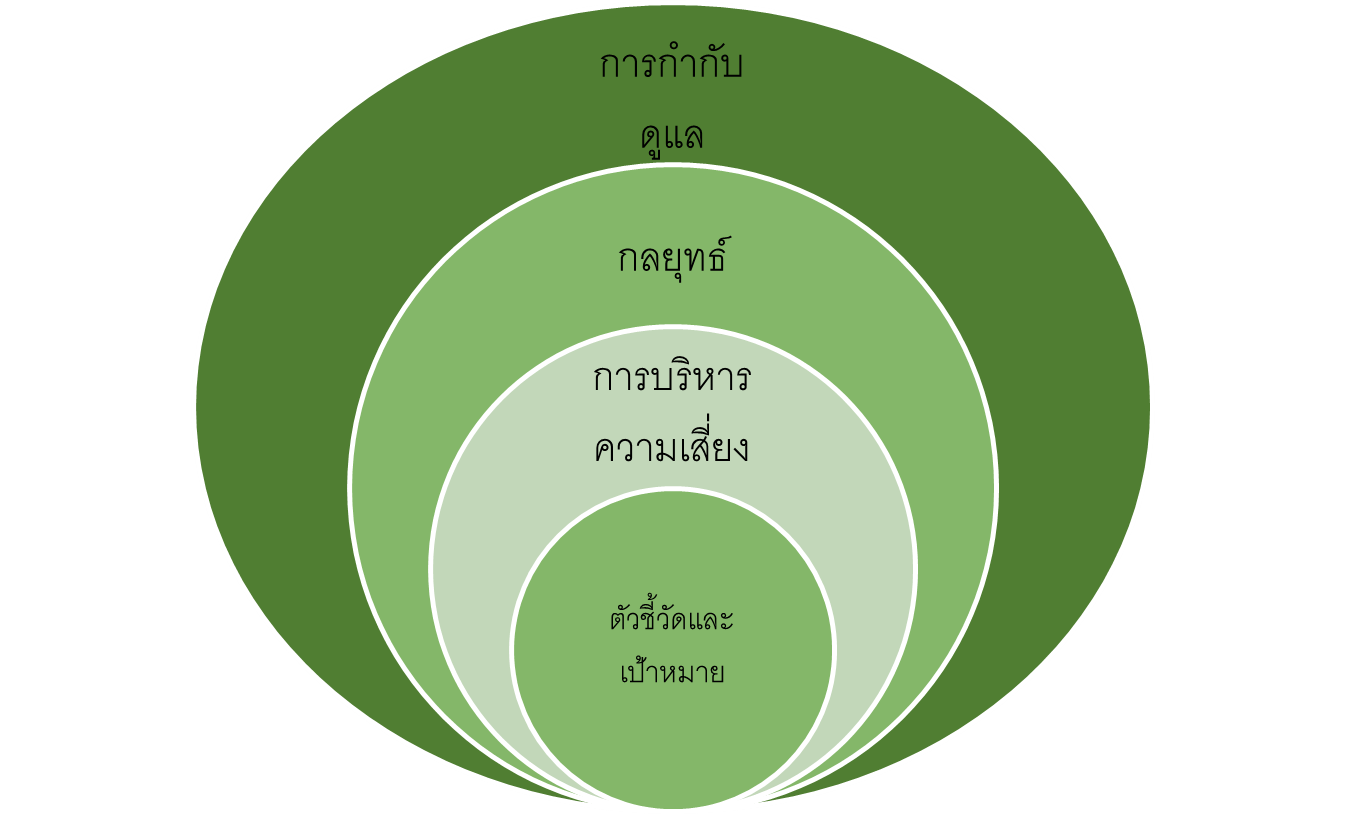
Indicators and Targets | Risk Management | Strategy | Governance |
Indicators and targets used in managing climate-related risks and opportunities. Net-zero greenhouse gas emission target: Net-zero greenhouse gas emissions from company operations by 2050 (Scopes 1 and 2). | Process used to assess and identify risks, as well as manage climate-related risks.
| Analysis, assessment of climate-related risks, opportunities, and impacts under various assumptions (Climate-related Scenario Analysis). | Governance and Management of Climate-Related Risks and Opportunities
|
Climate Change Governance Structure
Board of Directors Oversee the company's overall operations, responsible for approving strategies, targets, and operational policies of the group, as well as supervising and monitoring management's adherence to established policies and business plans effectively, in compliance with various laws and regulations, and in alignment with the United Nations Sustainable Development Goals (SDGs) and the Paris Agreement.
Governance and Sustainability Committee Review organizational strategies in response to climate change situations for the Board of Directors, and oversee, propose sustainable development practices, including policy consideration, and regularly monitor plan progress, with meetings scheduled at least twice a year.
Risk Management Committee Define and review organizational risk policies and targets, including climate change risks, and develop support to advise on efficient enterprise-wide risk management systems, with meetings held at least twice a year and reported to the Board.
Environmental Management Working Group Drive and monitor the company's operations to align with climate change policies and strategies to achieve set targets.
Assessment of climate change risks and opportunities.
The company is committed to addressing potential climate change impacts, which may directly and indirectly affect business operations. The company has established an organizational risk assessment working group responsible for evaluating risk factors, impacts, and opportunities related to climate change. Assessment results are approved by the Governance and Sustainability Committee. The company discloses climate-related risk management information to stakeholders in accordance with the Task Force on Climate-Related Financial Disclosures (TCFD) framework, and effectively develops climate change risk management plans as follows:
Physical Risks
Risks | Impact on business | Impact on Value Chain | Mitigation Measures | Short-term | Medium-term | Long-term |
Flooding |
|
|
| Medium | High | High |
Transition Risks
Risks | Impact on business | Impact on Value Chain | Mitigation Measures | Short-term | Medium-term | Long-term |
Regulations and requirements of the Climate Change Act. |
|
| The company has thoroughly studied the Climate Change Act, focusing on analyzing its impact on organizational operations, identifying potential risks, and developing action plans to mitigate impacts and create business opportunities. Key measures include:
| Low | Medium | Medium |
Marketing |
|
|
| Low | Medium | Medium |
Reputation and Image |
|
|
| Medium | Medium | High |
Risk Management
The company has considered the overall organizational risks and opportunities from both Physical Risks and Transition Risks, which may directly impact the company's operations. The company has a comprehensive risk assessment process to ensure business continuity, as well as the safety of customers, employees, and all stakeholder groups. This risk assessment process is conducted regularly to keep pace with trends and respond promptly to rapidly changing climate impacts. The company has implemented the following measures to manage risks:
Set targets and projects to drive environmental goals.
Closely monitor laws and regulations related to greenhouse gas emission control to prepare for government measures.
Assign responsibility for overseeing and monitoring government measures and preparing data related to greenhouse gas emission control.
Continuously disseminate knowledge and raise awareness among management and employees regarding safety, occupational health, and the working environment.
Improve quality of life while preserving the environment through various projects, such as the "Cloth Bag Campaign to Replace Plastic Bags" and the "COM7 Carpool" project.
Prioritize and select partners with environmentally friendly business concepts to collaborate on innovative product development and quality improvement.
The company's sustainable environmental management.
Risks | Opportunities |
The company has set a net-zero greenhouse gas emission target, which requires long-term planning. If the company cannot plan its operations efficiently, it may lead to higher investment and operating costs, and could impact the company's image. | If the company can plan its operations and manage environmental aspects efficiently, it will help save operational costs, reduce risks from climate change impacts, and build a positive image for the company. |
The company has established an operational framework within its Code of Conduct for stakeholders, including a sustainable environmental management policy (for the full policy and guidelines, please refer to http://www.comseven.com (under Investor Relations section), focusing on business operations alongside management to reduce environmental impacts. The company is committed to eliminating or reducing pollution to ecosystems that may arise from its business operations and those of its stakeholders, in order to achieve Sustainable Development Goals (SDGs). Key aspects are as follows:
Create understanding of both positive and negative environmental impacts from the company's activities.
Promote an organizational culture where all employees are aware of and participate in innovating and seeking ways to reduce resource and energy consumption, as well as waste and greenhouse gas emissions, to prevent, control, and minimize environmental, community, and social impacts.
Promote environmental sustainability within the supply chain by selecting partners, contractors, and business allies based on their environmental management capabilities and alignment with the company's environmental policy.
Committed to continuous environmental action by implementing projects or maintaining processes with the goal of reducing the environmental impact caused by the company's operations.
GHG — Plan & Guidelines
Has a GHG Management Plan
Yes
Plan Description
The company is committed to operating its business sustainably and actively supports limiting the global temperature increase to no more than 1.5 degrees Celsius. This is achieved through various initiatives such as enhancing energy efficiency, reducing energy loss from operations, increasing the proportion of renewable energy use, and organizing activities to promote energy conservation among employees. It also includes encouraging customers to reduce the use of single-use plastic bags and supporting all stakeholders in participating in achieving climate change goals. The company has established a Governance and Sustainability Committee to oversee climate change operations, and an Environmental Management Working Group, among others, to manage tasks related to addressing climate change. The focus is on reducing greenhouse gas emissions from business operations to align with the Net Zero greenhouse gas emission target by 2050.
Greenhouse gas management is divided into three categories: direct greenhouse gas emissions (Scope 1), indirect greenhouse gas emissions from energy consumption (Scope 2), and other indirect greenhouse gas emissions (Scope 3). Furthermore, the company has set its organizational Net Zero greenhouse gas emission reduction target in line with the Science Based Targets initiative (SBTi). This establishes an operational framework and guidelines for conducting business with responsibility towards climate change throughout the supply chain. The company has developed its Corporate Carbon Footprint (CFO) to assess greenhouse gas emissions from its activities, in order to plan and implement greenhouse gas reduction measures across various company activities. Additionally, a sustainable environmental management policy serves as a guideline for reducing environmental impacts and greenhouse gas emissions. This policy is used for communication and fostering a corporate culture where all stakeholders are aware of and participate in the responsibility for climate change throughout the supply chain.
GHG — Emissions
GHG Emissions
| Metric | Current Year | Previous Year |
|---|---|---|
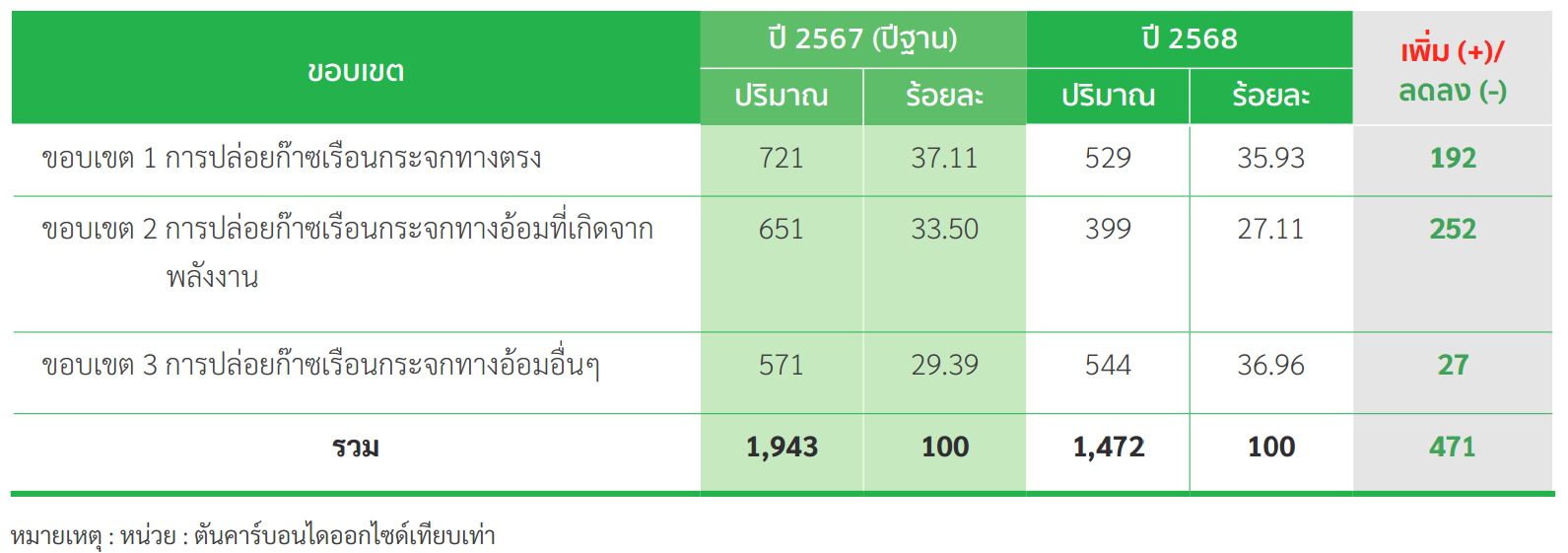
| Total GHG emissions (Metric tonnes of carbon dioxide equivalent) | 1,472 | 1,943 |
| Total greenhouse gas emissions 1 (Metric tonnes of carbon dioxide equivalent) | 529 | 721 |
| Total greenhouse gas emissions 2 (Metric tonnes of carbon dioxide equivalent) | 399 | 651 |
| Total greenhouse gas emissions 3 (Metric tonnes of carbon dioxide equivalent) | 544 | 571 |
GHG — Emissions Verification
Emissions Verified by a Third Party
Yes
Verifying Body
3181
GHG — Principles & Standards
Principles & Standards Applied
| Standard |
|---|
| 2671 |
GHG — Targets
Introduction
Goals
Short-term: Reduce greenhouse gas emissions from organizational operations by no less than 10% annually from the base year (Scope 1 and Scope 2)
Long-term: Achieving Net Zero greenhouse gas emissions by 2050
Has Set GHG Targets
Yes
GHG Targets — Net Zero
Net Zero Targets
| Emission Scope | TGO Certification | Base Year | Base Year Emissions | Near-term Target Year | Near-term Target Value | Near-term Target Change (%) | Long-term Target Year | Long-term Target Value | Long-term Target Change (%) | Target Year | Target Year Emissions | Target Change (%) | Unit |
|---|---|---|---|---|---|---|---|---|---|---|---|---|---|
| 2715 | Net zero | 2,024 | 1,372 | 2,025 | 137.2 | 10 | 2,050 | 1,372 | 100 | 2,025 | 137.2 | 10 | Metric tonnes of carbon dioxide equivalent |
GHG — Performance & Outcomes
Has Performance Results
Yes
Performance Description
Following the implementation of the Corporate Carbon Footprint (CFO) assessment in accordance with the guidelines of the Thailand Greenhouse Gas Management Organization (TGO) for Scopes 1, 2, and 3, based on calculations considering the company's greenhouse gas emissions in 2024, which serves as the first base year, the net greenhouse gas emissions amounted to 1,943 tons of carbon dioxide equivalent. It is evident that most greenhouse gas emitting activities result from electricity consumption and the use of fuel for company vehicles. This has led to the development of a greenhouse gas reduction strategy utilizing Science Based Targets (SBT) to promote greenhouse gas reductions consistent with the goals of the Paris Agreement and to achieve net-zero greenhouse gas emissions. The long-term strategies include: increasing the proportion of renewable energy from solar power, supporting the use of electric vehicles (EVs) by company employees, and supporting activities and projects related to greenhouse gas reduction.
In 2025, the company's Scope 1, 2, and 3 greenhouse gas emissions totaled 1,472 tons of carbon dioxide equivalent. The company has received certification for its carbon footprint registration and carbon label from the Thailand Greenhouse Gas Management Organization (Public Organization) or TGO, as follows:
Other indirect greenhouse gas emissions categorized by type
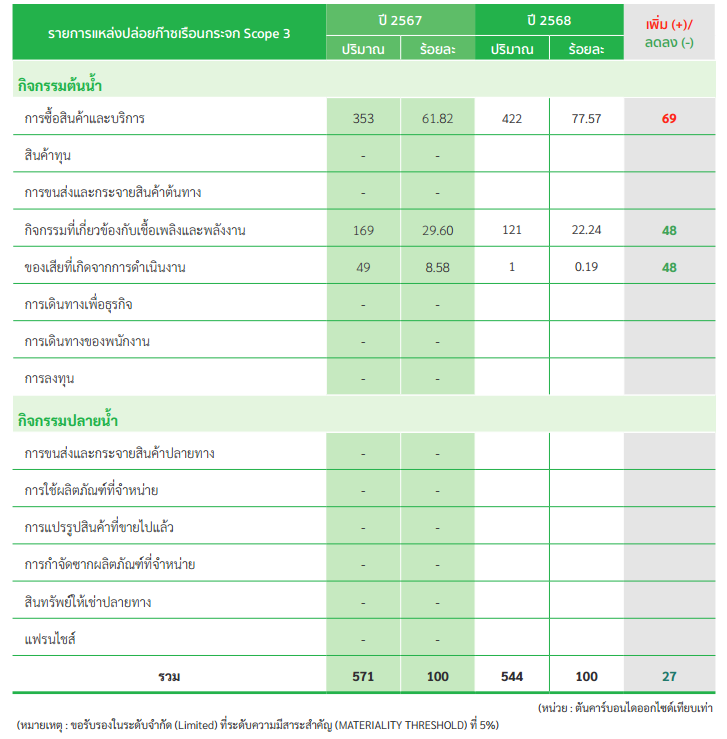
The company has engaged Ms. Sarocha Daengsiri as a consultant for the corporate carbon footprint assessment, who possesses specialized expertise and is a registered consultant with the Thailand Greenhouse Gas Management Organization (Public Organization), and has had the greenhouse gas emissions verified by V Green KU Co., Ltd. which is an accredited verification body registered with the Thailand Greenhouse Gas Management Organization (Public Organization).
Environmental Legal Incidents
Legal Violation Incidents
| Metric | Current Year | Previous Year | Two Years Ago |
|---|---|---|---|
| Number of cases or incidents of legal violations or negative environmental impact (cases) | 0 | 0 | 0 |
Employee Management — Overview
Introduction
The company has established policies and regulations for employee work that comply with the Labor Protection Act, while adhering to the respect for human rights. Furthermore, clear policies have been announced, such as the determination of working days, hours, and holidays; criteria for overtime work and work on holidays, which can only be performed with the employee's consent; and in cases where overtime or holiday work is required, the company provides care beyond legal requirements, including assistance with living expenses and commuting costs, among others.
The company also provides opportunities for employees to creatively express their opinions through various channels, such as the Employee Engagement Survey, HR CARE, and the Welfare Committee in the establishment, appointed through elections in 2024 for the 2024–2026 term, with a total of 6 employee representatives. These representatives serve as the voice of employees, collaborating with management to develop employee welfare and benefits, with quarterly meetings held as legally required. The company supports various activities of the Welfare Committee in the establishment, including providing venues and election equipment to ensure freedom in exercising the right to elect employee representatives.
Furthermore, the company also prioritizes workforce planning and recruitment, employee development, performance evaluation and compensation management, and employee engagement management within a work environment that respects and accepts diversity, to foster happy collaboration and enhance the company's competitiveness, as well as to encourage employees to be good and capable individuals who contribute to the public and society.
Employees — Plan & Guidelines
Has an Employee Management Plan
Yes
Plan Description
Manpower Planning and Recruitment
The company prioritizes personnel recruitment from the initial stages, adhering to the principle of selecting individuals based on their knowledge, abilities, and characteristics that align with the job, organizational values, and culture. It supports all employees in receiving full-time employment with comprehensive benefits and implements an open recruitment policy that covers target groups of all ages, emphasizing equality in all dimensions, such as disability, race, religion, gender, skin color, language, age, sexual orientation, ethnicity, and educational institution.
The company also retains high-potential employees while building organizational value to attract knowledgeable and capable individuals to join the organization. The company has expanded its recruitment channels through social media and various technologies such as www.comsevencareer.com, Facebook, Line@, and job boards (e.g., Jobsdb.com, JobThai.com, Jobtopgun.com, and Jobpub.com). This is to communicate job vacancies in conjunction with the company's recruitment system, making it easier to find information and resulting in more efficient recruitment. Additionally, the company has implemented projects to recruit quality employees, such as the Dual Vocational Training Program and the Employee Referral Program.
Employee Training and Development
The company promotes exponential business growth and fosters new leaders, providing career advancement opportunities to prepare for current and future risks and challenges. This is achieved by effectively promoting training and practical application, and by offering employees equal access to self-development. The company has established a personnel development policy (the full policy and guidelines can be found at http://www.comseven.com under the Investor Relations section) to guide the development of preparatory courses for employees at all levels, ensuring they possess competencies aligned with job standards efficiently, aiming for the company's sustainable goals and growth.
Employee Retention
The company recognizes that good products and quality services originate from its employees, who are the fundamental and crucial core contributing to the company's success and growth according to its set goals. Therefore, the company cares about the quality of life of its employees, emphasizing the creation of a happy organization where personnel can work efficiently in a conducive environment that stimulates innovation and fosters employee engagement with the organization, thereby retaining employees.
Safety, Occupational Health, and a Good Working Environment
The company is committed to continuously improving and developing its safety, occupational health, and working environment management system in accordance with the employee safety and occupational health policy (disclosed on the company's website) and safety manual. This ensures that all employees and contractors adhere to the specified manual, fostering safety awareness, knowledge, understanding, and safe work practices every day, thereby achieving the set safety performance goals.
The company has established a Safety, Occupational Health, and Working Environment Committee to oversee and monitor the implementation of policies, ensuring maximum efficiency and effectiveness.
Plan Document Link
https://www.irplus.in.th/Listed/COMSEVEN/pdf/SD_report_2025_EN.pdf
Plan Areas
| Plan Area |
|---|
| Fair employee compensation |
| Employee training and development |
| Promoting employee relations and participation |
| Migrant/foreign labor |
| Child labor |
| Occupational health and safety in workplace |
Employees — Workforce
Workforce Data
| Metric | Current Year | Previous Year | Two Years Ago |
|---|---|---|---|
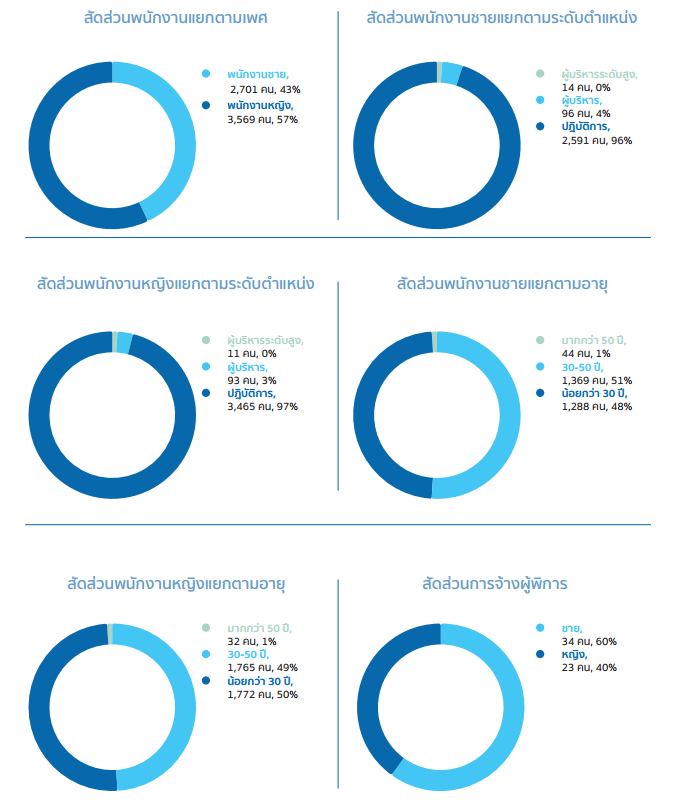
| Total number of employees (Persons) | 6,270 | 5,627 | 5,455 |
| Number of male employees (Persons) | 2,701 | 2,447 | 2,375 |
| Number of female employees (Persons) | 3,569 | 3,180 | 3,080 |
| Total employment of disabled persons (people) | 57 | 49 | 44 |
| Total disabled employees (people) | 57 | 49 | 44 |
| Total male disabled employees (people) | 34 | 27 | 23 |
| Total female disabled employees (people) | 23 | 22 | 21 |
| Total disabled workers who are non-employee (people) | 0 | 0 | 0 |
| Contributions to the fund for promoting and improving the quality of life for disabled persons | 1 | 1 | 1 |
| Total number of male employees in operational level (Persons) | 2,591 | 2,356 | 2,329 |
| Total number of male employees in management level (Persons) | 96 | 83 | 39 |
| Total number of male employees in executive level (Persons) | 14 | 8 | 7 |
| Total number of female employees in operational level (Persons) | 3,465 | 3,115 | 3,052 |
| Total number of female employees in management level (Persons) | 93 | 58 | 24 |
| Total number of female employees in executive level (Persons) | 11 | 7 | 4 |
Employees — Remuneration & Provident Fund
Remuneration & Provident Fund
| Metric | Current Year | Previous Year | Two Years Ago |
|---|---|---|---|
| Total disabled employees (people) | 2,316,162,800 | 2,090,730,000 | 1,639,675,250.55 |
| Total male employee remuneration (Baht) | 1,091,509,100 | 1,050,065,000 | 824,891,695.12 |
| Total female employee remuneration (Baht) | 1,224,653,700 | 1,040,665,000 | 814,783,555.43 |
| Number of employees eligible to participate in PVD (persons) | 4,476 | 4,050 | 4,009 |
| Total number of employees joining employee provident fund (Persons) | 1,341 | 1,303 | 1,330 |
| Percentage of total number of employees joining employee provident fund to total number of employees (%) | 21.39 | 23.16 | 24.38 |
| Number of PVD members / Total eligible employees (%) | 29.96 | 32.17 | 33.18 |
| Total amount of provident fund contributed by the Company (Baht) | 16,981,715.66 | 15,185,329.67 | 13,915,443.24 |
| Total amount of provident fund contributed by employee (baht) | 39,906,248.18 | 36,351,296.28 | 32,798,680.12 |
Employees — Training & Development
Training Data
| Metric | Current Year | Previous Year | Two Years Ago |
|---|---|---|---|
| Average employee training hours (Hours / Person / Year) | 6 | 6 | 6 |
| Employee development and training expenses (baht) | 396,690,000 | 375,870,000 | 270,890,000 |
Employees — Occupational Health & Safety
Occupational Health & Safety Data
| Metric | Current Year | Previous Year | Two Years Ago |
|---|---|---|---|
| Total number of lost time injury incidents by employees (Cases) | 6 | 0 | 2 |
Employees — Labour Relations
Labour Relations Data
| Metric | Current Year | Previous Year | Two Years Ago |
|---|---|---|---|
| Total voluntary resignations (Persons) | 2,273 | 1,717 | 1,396 |
| Male employees who voluntary resigned (Persons) | 948 | 739 | 631 |
| Female employees who voluntary resigned (Persons) | 1,325 | 978 | 765 |
| Percentage of employee turnover leaving the Company voluntarily (%) | 36.25 | 30.51 | 25.59 |
| Evaluation result of employee engagement | 1 | 1 | 1 |
Employees — Employee Representation
Introduction
The company provides opportunities for employees to creatively express their opinions through various channels, such as the Employee Engagement Survey, HR CARE, and the Welfare Committee in the establishment. This committee was appointed through elections held in 2024 for the term 2024 – 2026, comprising a total of 6 employee representatives. These representatives serve as the voice of employees, collaborating with management to develop employee welfare and benefits. Meetings are held quarterly as required by law. The company supports various activities of the Welfare Committee in the establishment, including providing venues and election equipment to ensure freedom in exercising the right to elect employee representatives.
Employees Are Represented Collectively
Yes
Forms of Representation
| Form |
|---|
| Welfare committee |
Employees — Targets
Introduction
Workforce planning and recruitment.
250 students participating in the dual vocational training program in 2025.
1% employment rate for persons with disabilities among employees annually.
Employee training and potential development.
Employees attending training according to the Training Road Map, greater than or equal to 90% annually.
Have successors for 5% of the total headquarters employees by 2025.
Employee retention.
Employee engagement survey results.
Short-term Year 2025: More than 80%
Long-term Year 2031: More than 85%
Safety, occupational health, and a good working environment.
The company aims to reduce the number and rate of work-related fatalities among employees and contractors, as well as injuries resulting in lost workdays, as follows:
Zero work-related accidents (Zero Accident) from 2025 - 2030.
Zero work-related fatalities from 2025 - 2030.
Has Set Employee Targets
Yes
Targets
| Indicator | Target Areas | Target Year | Target Year — Description |
|---|---|---|---|
| Number of students | 2990 · Other name: Students from the dual vocational training program work with the company. · Description: Others | 2,025 | 250 students from the dual vocational training program will be working with the company by 2025. |
| Number of Employees with Disabilities | 2989 · Description: Non-discrimination | 2,025 | Employing one person with disabilities per 100 employees annually. |
| Number of Employees | 2984 · Description: Employee training and development | 2,025 | At least 90% of head office employees receive training annually as per the Training Road Map. |
| Organizational Engagement Score | 2985 · Description: Promoting employee relations and participation | 2,025 | Achieve an organizational engagement score exceeding 80% by 2025. |
| Number of Accidents | 2988 · Description: Safety and occupational health at work | 2,025 | 1. Zero fatal accidents continuously every year from 2021 to 2030. 2. Zero lost-time injuries continuously every year from 2021 to 2030. |
Employees — Performance & Outcomes
Has Performance Results
Yes
Performance Description
Workforce Planning and Recruitment
Workforce Operations | 2023 | 2024 | 2025 |
New hires (persons) | 2,110 | 1,989 | 3,118 |
Employee transfers (persons)
| 1,581 169 10 1,402 | 1,169 60 10 1,099 | 1,391 82 13 1,296 |
Dual Vocational Training Project
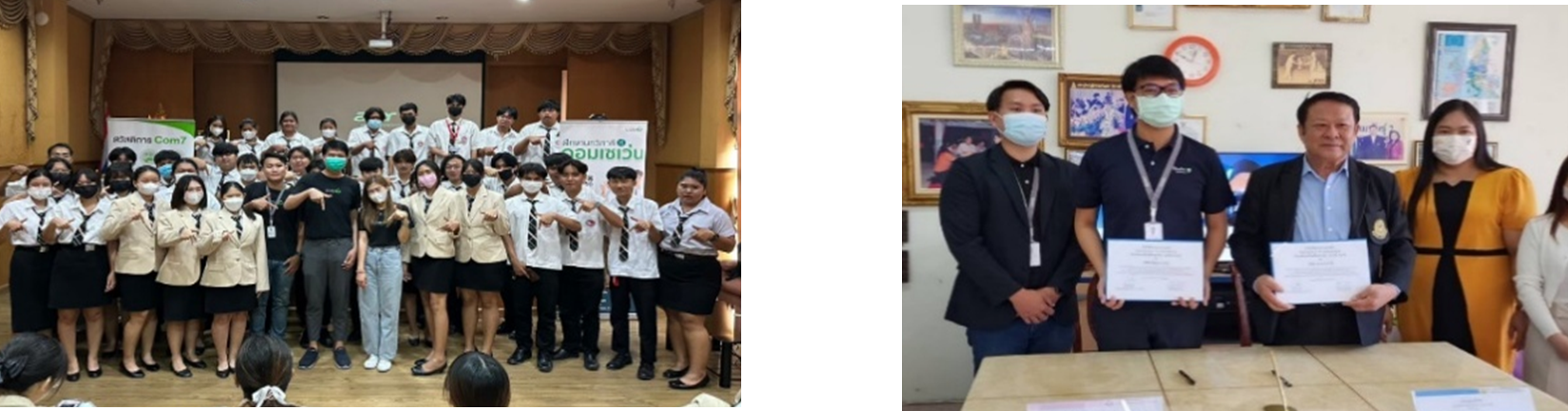
The company has launched the "Dual Vocational Training with Com7" project, a curriculum combining study with practical work experience. MOUs have been signed with several colleges to open new opportunities for students participating in the program to gain real-world experience at Studio7, BaNANA U-Store, and BKK stores. Students learn both theoretical and practical aspects to develop skills aligned with labor market demands and earn income during their studies. They also receive benefits such as allowances, scholarships, uniforms, accident insurance, commissions, and training. Furthermore, they have the opportunity to be considered for permanent employment after completing the program.
In 2025, the company expanded its network of educational institutions that signed Memoranda of Understanding (MOUs) to 35 new institutions, bringing the total to 77. A total of 289 students participated in the program, exceeding the set target. This reflects the growing interest from colleges and students in gaining vocational training in a real work environment, real situations, and practical experience in fields related to the company, and prepares students to be able to work immediately upon graduation.
The "Dual Vocational Training with Com7" project helps increase opportunities for students in the community to earn income and alleviate the financial burden of their parents' education. Additionally, the company can reduce recruitment time and costs for hiring branch employees. The wages paid to student interns are tax-deductible for the company. The company is committed to expanding its network of educational institutions for signing MOUs to cover the entire country, thereby increasing opportunities for students to participate in dual vocational training programs. The target is to recruit an additional 600 students to the program in 2026.
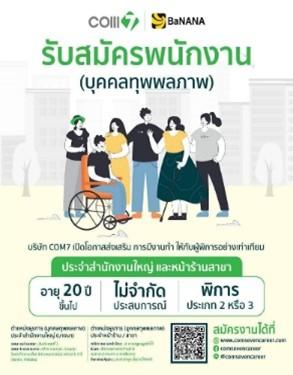
Employment of persons with disabilities
The company has a non-discriminatory policy to provide opportunities for all groups in society, fostering sustainable and equal participation. In 2025, the company employed a total of 57 persons with disabilities out of 5,169 employees (as of 1 October 2024), representing 1% of the total workforce, in line with Section 33 of the Persons with Disabilities' Quality of Life Promotion and Development Act B.E. 2550 (2007) and the set target.
Refer-a-Friend Program
The company has implemented a "Refer-a-Friend" program, allowing employees to recommend friends or acquaintances to join the company for open positions. This expands recruitment channels and opportunities to find suitable candidates for highly competitive roles. Additionally, employees help promote the company to the general public, and employees receive a referral fee at the rate determined by the company. In 2025, a total of 155 employees showed interest in referring friends and acquaintances to work for the company.
Employee Statistics for 2025
Employees | Number of employees who voluntarily resigned | |||
Permanent employees | % of total employees | Non-permanent employees | % of total employees | |
Male | 948 | 15.12% | 26 | 0.41% |
Female | 1325 | 21.13% | 51 | 0.81% |
Employee Development and Training
The company focuses on developing employees with essential work skills and expertise, and promoting company growth. Therefore, it has designed a Training Roadmap in conjunction with a personnel development strategic plan, referencing performance evaluation results (KPIs) from the previous year. This serves as insightful data to systematically enhance employees' potential, knowledge, skills, strengths, and address weaknesses through mandatory courses at specified levels, to build motivation and foster sustainable employee growth within the organization.
The company focuses on upskilling and reskilling personnel at all levels, covering both soft skills and hard skills, especially those related to AI, Data Analytics, Digital Transformation, and working with automation systems. This is to enable employees to use technology as a tool to enhance work efficiency and create new innovations.
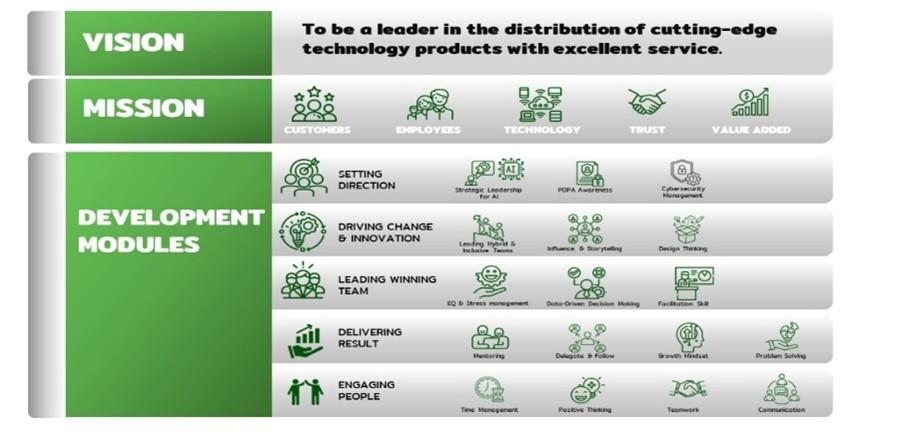
In 2025, all employees and executives of the company received training on understanding the company's goals, mission, organizational culture, business ethics, corporate governance, and human rights policy, including the Code of Conduct and Anti-Corruption policy. and tested participants' understanding by administering a test on business ethics and work conduct, anti-corruption policy, and guidelines for implementing the anti-corruption policy. The objective is to jointly promote awareness of the company's ethics, build trust, and gain acceptance for the organization's sustainable growth. The test results for employees and executives passed the threshold of 100
Branch employees Considered a key driving force for the business, employees are continuously developed through a Training Roadmap that enhances knowledge of products and services. Training is conducted at the head office, branches, and via online learning systems to facilitate employees' ability to train anywhere, anytime. In 2025, a total of 897 Soft Skill & Hard Skill courses were organized, including 72 People & Leadership courses, 5 PR Skill courses, 468 Product Knowledge courses, 149 Sales Skill courses, and 203 Service Skill courses.
Head office employees The company provides hybrid learning training. Employees can register for courses through www.learning-development.club Various training courses tailored to each position's learning path, available as online platforms rm, Virtual Classroom, and Classroom formats, allowing employees to choose the most suitable method. Divided into 2 types as follows:
Core Competency These include digital skills and the use of AI in daily work, analytical thinking and creative problem-solving, and Agile working and rapid adaptation to change, among others.
Managerial Competency These include using AI and Data-Driven Decision Making in team management, strengthening leadership in the digital era, managing hybrid teams, and fostering a flexible work culture, among others.
In 2025, 134 Soft Skill & Hard Skill courses were organized. The courses were categorized as follows: Data & Analytics (56 courses), AI & Digital Transformation (41 courses), People & Leadership (28 courses), and Compliance & Governance (9 courses).
Training Summary | Year 2023 | Year 2024 | Year 2025 |
Total number of employees (persons) | 5,455 | 5,627 | 6,270 |
Number of employees trained (persons) | 4,021 (73.71%) | 4,283 (76.12%) | 4,645 (74.08%) |
Classroom Training
| 287 8,823 52,938 | 328 9,855 59,130 | 330 9,018 54,108 |
Online Training
| 520 18,113 108,678 | 591 21,243 127,458 | 560 21,284 127,704 |
Return on training can increase sales (Thousand Baht) | 69,599,452 | 79,042,955 | 87,254,554 |
Number of training hours/person/year | 6 | 6 | 6 |
Number of training days/person/year | 1 | 1 | 1 |
Employee knowledge (%) | 90.13% | 91.17% | 95% |
Training investment (million Baht) | 270.89 | 375.87 | 396.69 |
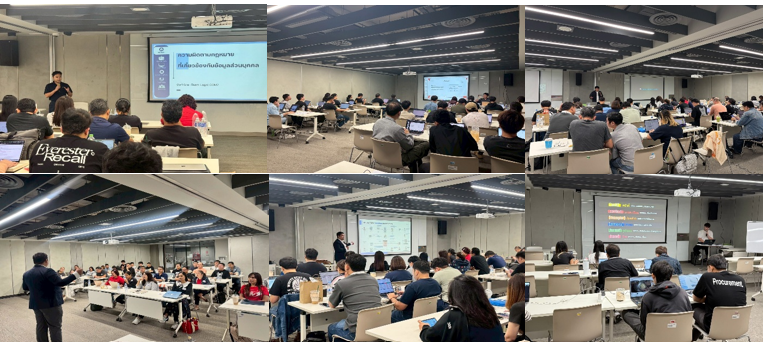
Development of high-potential employee groups
The company emphasizes continuous management and development processes for high-potential employees through potential assessments. This is to plan and build a pipeline of future leaders (Talents & future leader pipeline) based on the 70:20:10 learning and development principle, to promote career advancement and reduce potential obstacles in professional development and growth.
70% Learning and development through hands-on practice | 20% Learning and development from peers in various roles | 10% Learning and development through formal training processes |
Through special projects where the company selects participants from each group to engage in hands-on work to enhance learning effectiveness. | Implemented through receiving advice and instruction via various media from peers, including senior executives, direct supervisors, subject matter experts, mentors, etc. | The company provides various courses in Classroom Training format, based on the Human Resources department's employee development plan (Training roadmap). |
Employee Retention
The company continuously assesses employee engagement through surveys on employee satisfaction, employee goals, happiness, and stress. The results are used to enhance personnel development plans, ensuring employees possess modern knowledge, essential operational skills, and the ability to create new innovations. This enables employees to work happily, fosters employee loyalty to the company, and allows employees to adapt to business changes to sustainably improve business efficiency. In 2025, the employee engagement survey showed 90% engagement, reflecting good employee care. The company has implemented various activities to develop engagement, as well as managed compensation, welfare, and many other benefits, as follows:
Compensation Management
The company has a policy of managing compensation, welfare, and other benefits for all employees equally and without discrimination, regardless of origin, race, language, religion, gender diversity, age, skin color, social status, including political beliefs and opinions. Compensation and growth opportunities are determined based on individual performance (KPI) and desirable work behavior, as evaluated by supervisors, to set remuneration. The company conducts compensation and welfare benchmarking against the IT retail business, related industries, and external conditions to review and adjust compensation in line with organizational strategy. The company provides financial support and compensation higher than the legally mandated minimum wage, offering additional funds for expenses such as allowances, travel expenses, and accommodation, to ensure employees receive appropriate wages for their livelihood and in compliance with the Labor Protection Act. In 2025, the company paid employee compensation as follows:
Details | Amount | Percentage |
Male employee compensation (Baht) | 1,091,509,100 | 47.13 |
Female employee compensation (Baht) | 1,224,653,700 | 52.87 |
Total | 2,316,162,800 | 100 |
Other welfare and benefits
The company upholds labor rights and fair employment practices for employees, adhering to various laws and policies under both Thai and international labor protection acts. Furthermore, the company considers appropriate employment conditions, wages, working hours, holidays, and benefits, as well as safe and conducive work environments. The company provides employee benefits as follows:
Benefits | Legally mandated rights | Employee benefits provided by the company |
Public holidays | Not less than 13 days per year | 14 days |
Annual leave | Not less than 6 days per year | 10-15 days |
Maternity leave | 98 days | 98 days |
Ordination leave | - | 7-15 days |
Personal leave | 3 days | 5-7 days |
In addition to legally mandated benefits and various policies, the company also provides comprehensive and diverse welfare benefits to employees to promote their well-being during their employment with the company, as follows:
Provident Fund The company prioritizes employees' long-term savings and has established and contributed funds to help employees build savings discipline and have funds for retirement or emergencies. Employees receive employer contributions of up to 5% of their contributions, which are tax-deductible. In 2025, employees participated in the provident fund as follows:
Details | Number |
Employees eligible to join the Provident Fund (PVD) (persons) (Percentage of total employees) | 5,260 (83.89%) |
Employees who are members of the Provident Fund (PVD) (persons) (Percentage of employees eligible to join PVD) | 1,477 (28.08%) |
Amount contributed by employees to PVD (Baht) | 45,891,880 |
Amount contributed by employer to PVD (Baht) | 19,822,601 |
Financial assistance benefits These include maternity gifts for employees, financial assistance for death and wreaths, wedding financial assistance, scholarships for employees, housing loans with financial institutions, employee loan benefits, employee sick visit benefits, etc.
Health benefits These include group health insurance, annual employee health check-ups as appropriate for each age group and gender, group health insurance covering both inpatient and outpatient care, group accident insurance, recreation rooms, fitness rooms, etc. Funds include the provident fund, workmen's compensation fund, social security fund, etc. The company also assists employees in receiving full and prompt benefits from various support measures, such as personal income tax deductions, government assistance measures, and various institutions like the Social Security Office.
Other benefits Employee discounts, refer-a-friend bonuses, travel allowances, accommodation expenses, employee uniforms, employee shuttle services, etc.

In 2025, the company organized activities to promote employee engagement, such as the "Employee Recognition Program" for good deeds, based on customer feedback, totaling 109 employees. There was also a program to award gold to employees who completed 10, 15, 20, and 25 years of service, totaling 159 employees. Additionally, activities to bring happiness to employees included "Com7 Songkran Chuen Boon," a merit-making ceremony with nine monks at the new office on April 8, 2025, employee birthday gift activities, and activities encouraging employees to express creativity, such as "COM7 Halloween Day," where employees dressed in fancy Halloween themes and competed for the best costume.
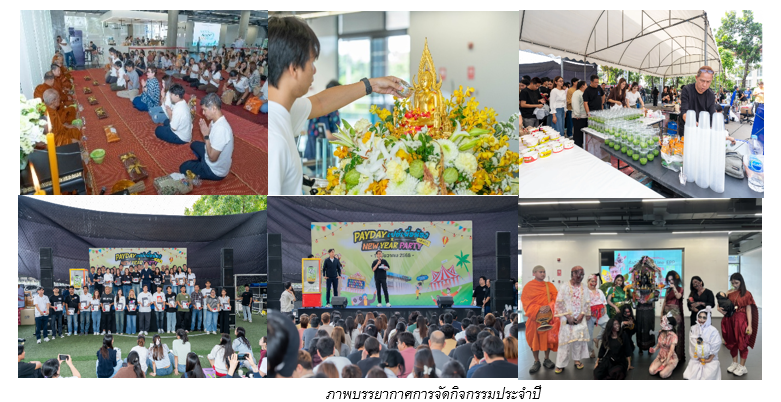
In late 2025, a major flood disaster occurred in the southern region, causing significant damage to employees' homes and property. The company provided assistance by delivering essential electrical appliances to all 204 affected employees, totaling 5,797,578 Baht, to help alleviate their burden and enable them to overcome this difficult period.
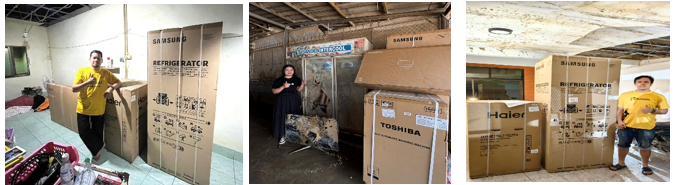
Promoting employee equality and diversity
The company values diversity and differences among employees, based on non-discrimination regarding race, religion, gender, skin color, language, age, and disability. It treats all employees equally and promotes equal opportunities for employment, skill development, and career advancement for everyone. The company supports career creation by employing persons with disabilities in suitable positions. Furthermore, the company continuously organizes promotional campaigns to provide opportunities for employees to participate, exchange ideas, promote equality and diversity, and support all groups of personnel to fully demonstrate their potential. This also includes encouraging all sectors to reduce inequality both within and outside the organization by listening to diverse opinions from various social groups, helping to reduce discrimination and harassment in all forms throughout business operations.
In June 2025, the company organized "COM7 Pride" activities, which included discussions and idea exchanges. Employees collectively sent positive energy to all staff, supporting equality for all employees.
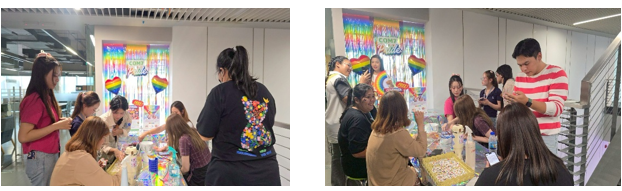
Safety, occupational health, and a good working environment work
From its safety operations and safety activities for employees and contractors, the company has monitored performance through statistics on the number of accidents involving employees and contractors, as follows:
Safety Statistics | 2023 | 2024 | 2025 |
Number of work-related accidents resulting in lost time for employees | 0 | 0 | 0 |
Number of employees injured with 1 or more days of lost time | 0 | 0 | 6 |
Number of employee fatalities due to work-related incidents | 0 | 0 | 0 |
Number of work-related accidents resulting in lost time for contractors | 0 | 0 | 0 |
Number of contractor fatalities due to work-related incidents | 0 | 0 | 0 |
The company has investigated causes and provided personal protective equipment suitable for working conditions, and increased caution in operations to prevent recurrence. The company continuously develops and improves the efficiency of its safety operations to reduce the risk of illness, injury, or death, and to properly care for the quality of life of employees. Key operations include:
Raising awareness and encouraging employees to recognize the importance of accident prevention, such as providing training on the correct and safe use of various equipment.
Installation of emergency aid cabinets to provide immediate assistance to emergency patients, along with contact numbers for emergency medical assistance. Provision of personal protective equipment suitable for the working conditions to employees to prevent work-related accidents.
Emphasis on health and hygiene, safe from Coronavirus (COVID-19), which severely impacts daily life. Providing knowledge on self-care and prevention, and establishing guidelines to reduce the risk of outbreaks and infections. In cases where employees are in a high-risk group or test positive for Coronavirus (COVID-19), they must inform their supervisor and the Human Resources department every time and recover completely before returning to work.
The company provides annual health check-ups for all employees in 2025 and facilitates employees to consult doctors after receiving their health check-up results from the company.
Customers — Plan & Guidelines
Has a Customer Management Plan
Yes
Plan Description
The company prioritizes building customer confidence in product and service quality, as well as continuously strengthening good customer relationships. The company has implemented a customer satisfaction survey by scanning a QR code at the bottom of customer receipts to assess satisfaction with the branch used. This data will be utilized to develop products and services, foster strong relationships, and create a positive impression for customers, and to ensure excellent service, as follows:
-
Use technology in conjunction with personnel in a principled manner to elevate customer service and foster an understanding of customer needs, in order to respond to customer demands for products and services, and to transform consumers into lifelong customers (Customer Loyalty).
-
Develop product and service knowledge, product usage skills, sales skills, and communication skills of sales personnel to effectively serve customers.
-
Continuously strengthen customer relationships by listening to feedback, suggestions, or customer needs, and handling complaints. This information will be used to define marketing and sales strategies and to improve operational processes to deliver better products and services that meet customer requirements.
-
Implement integrated marketing communications and ensure appropriate product pricing.
Plan Document Link
https://www.irplus.in.th/Listed/COMSEVEN/pdf/SD_report_2025_EN.pdf
Plan Areas
| Plan Area |
|---|
| Responsible production and services for customers |
| Communication of product and service impacts to customers/consumers |
| Development of customer satisfaction and customer relationship |
| Protection of customer personal information |
Customers — Satisfaction Results
Customer Satisfaction Results
| Metric | Current Year | Previous Year | Two Years Ago |
|---|---|---|---|
| Evaluation results of customer satisfaction | 1 | 1 | 1 |
Customers — Targets
Has Set Customer Targets
Yes
Targets
| Indicator | Target Areas | Target Year | Target Year — Description |
|---|---|---|---|
| Customer Satisfaction Score | 3009 · Description: Development of customer satisfaction and customer relationship | 2,028 | Achieve 90% customer satisfaction |
Customers — Performance & Outcomes
Has Performance Results
Yes
Performance Description
The company has undertaken various activities and projects to build engagement and a positive image for its products and organization (CRM). Coupled with creating good customer experiences, this encourages customers to make purchasing decisions, return for repeat purchases or services, and share positive experiences, thereby enabling the company to efficiently expand its customer base.
1) Customer Satisfaction Assessment The company conducts satisfaction surveys for customers who purchase products and use its services to assess the satisfaction with branch staff providing the service. This is done by scanning a QR code at the bottom of the receipt, evaluating a total of 4 aspects: 1. Satisfaction with the service, 2. Understanding customer needs, 3. Ability to demonstrate and explain the features of desired products, and 4. Knowledgeable and capable of recommending products effectively. The average satisfaction score is 89.13%.
2) Branch Sales Staff Training The company continuously develops its branch sales staff through regular training and product information updates to keep pace with changing technology. It also offers courses to enhance sales skills, negotiation, and active listening, as well as leadership development for supervisors, to ensure effective communication with customers and foster satisfaction. Training courses include, for example, fundamental skills for sales staff, Apple sales staff readiness program, Apple product sales staff readiness program, effective communication techniques, and coaching techniques for supervisors.
3) Information Service Center (Call Center) Receives complaints and suggestions from customers through multiple channels, including Call Center, E-mail: customer_support@comseven.com, website. https://www.studio7thailand.com , Facebook, Line Official, etc., and other services such as providing advice on the company's products, services, and other aspects, to maximize benefits for customers and keep them up-to-date.
Number of complaints | Number of Customers (Million people) | % Complaints from purchases | ||||
Service/Staff Aspect | Product Aspect | Policy Aspect | Other Aspects | Total | ||
1,111 | 19 | 49 | 20 | 1,199 | 6.6 | 0.019% |
In 2025, most complaints concerned staff service etiquette, incomplete or incorrect product information, and inaccurate promotion notifications. The company aims to resolve deficiencies from customer complaints within 1 hour of receipt. If an issue requires more time, the district manager is required to contact the customer within 1 hour of being notified by the customer service center. All these targets have been met.
4) After-Sales Service Company The company provides warranty for sold products to build customer confidence and trust in purchasing from the company. It offers product exchange and repair services at affiliated stores and all branches nationwide. The company is an Apple-certified representative, authorized to open iCare stores as repair and service centers for Apple brand products. In 2025, a total of 43 branches will be operational, covering all regions nationwide. The company has expanded repair channels by allowing customers to drop off Apple products for repair at Studio7 and BaNANA stores if they cannot conveniently travel to an iCare store. The company will then send these items for repair at the nearest iCare branch. A total of 11,701 customers have utilized these services.
In 2025, a total of 148,122 customers utilized the services, an increase of 21.73% from the previous year, reflecting growing customer trust in iCare's repair and service offerings. Apple South Asia (Thailand) has established customer satisfaction (CSAT) indicators and conducts random surveys of customers using iCare services, requiring a score of over 90% to meet the criteria. The company's customer satisfaction survey results show an average score of 96%, which exceeds the set criteria. The company has analyzed areas with lower evaluation scores to continuously develop and improve its services and business processes, aiming for maximum customer satisfaction.
Community & Social — Overview
Introduction
Social Responsibility
Currently, the world is facing complex and rapid changes in multiple dimensions, such as new-era marketing, natural and climate change, population growth, migration, and conflicts. These factors significantly contribute to social inequality, particularly among low-income and vulnerable groups, for instance, access to education and quality housing. The company is committed to conducting business activities responsibly, prioritizing listening to stakeholders' opinions, both positive and negative, to mitigate negative impacts of business operations on quality of life, respecting the fundamental rights of communities and stakeholders, while simultaneously improving quality of life and creating a balance between business operations and social development to ensure sustainable happiness for society and communities.
Community & Social — Plan & Guidelines
Has a Community & Social Plan
Yes
Plan Description
The company implements social projects in accordance with its organizational sustainable development policy and prioritizes ESG-related issues. This involves supporting the development of essential vocational skills, promoting local employment, and appropriately managing areas and the environment. The company has continuously organized creative project activities that benefit communities and society, while aligning with corporate strategies and fulfilling expectations to enhance the quality of life for stakeholders.
Plan Document Link
https://www.irplus.in.th/Listed/COMSEVEN/pdf/SD_report_2025_EN.pdf
Plan Areas
| Plan Area |
|---|
| Education |
| Disadvantaged and vulnerable groups |
| Water and sanitation management |
Community & Social — Targets
Has Set Community & Social Targets
Yes
Targets
| Indicator | Target Areas | Target Year | Target Year — Description |
|---|---|---|---|
| Number of participating schools | 3037 · Description: Education | 2,025 | Implement the 'My Computer Room' project at a minimum of 1 school annually. |
| Number of participants in the project | 3042 · Description: Disadvantaged and vulnerable groups | 2,025 | Implement the “Bright Smiles from Com7” project at least once per year. |
| Number of complaints from the community | 3043 · Description: Water and sanitation management | 2,025 | No complaints regarding wastewater discharge from nearby communities. |
| Number of complaints | 3045 · Other name: No complaints from the community. · Description: Others | 2,025 | Number of community complaints is 0 |
Community & Social — Performance & Outcomes
Has Performance Results
Yes
Performance Description
In 2025, the company received no widespread complaints or disputes from the community. It continuously promoted community well-being and supported the development of essential vocational skills to create careers and income for the community and society. Furthermore, the company organized activities under its social responsibility policy, with employees participating through the "PAY DAY" (Pay for Kids) activity, which was held to encourage employees to contribute funds and donate various items to support community and social projects as follows:
My First Computer Room Project
The company has established computer rooms for selected schools based on employee proposals, under selection criteria such as being an underprivileged school, having insufficient computers for use, having knowledgeable personnel capable of maintaining the computer room, having internet access, having over 100 students, and the proposing employee being an alumnus of the school. This ensures that the computer room can provide maximum benefits to students efficiently and safely, promoting knowledge development for vulnerable groups, facilitating access to both formal and informal education, and enhancing essential work skills. In 2025, the company built one "My Computer Room" at Pakchat School in Ratchaburi Province, with donated assets valued at 400,000 Baht, including 21 computers, 2 printers, and computer desks with chairs. This reflects the company's commitment to continuously providing opportunities for technology access and education, marking the 13th such room. This initiative was supported by partners who contributed computer equipment, collectively creating opportunities for vulnerable groups to access technology and build a sustainable well-being.
In 2025, the company is immensely proud to have contributed to the success of Pakchat School in winning the first prize in the Soft Power Short Film Contest, Film, Drama, and Series category, on the topic "AI and School Age" (Primary School level). This achievement is an impressive result of the school utilizing the computer sets and technological equipment provided by the company as primary tools for creating their work, from production to editing, enabling them to convey their ideas outstandingly and with high quality. The company extends its congratulations to all the students and teachers for creatively harnessing the potential of technology. We remain committed to supporting educational opportunities as a foundation for developing quality personnel for society.
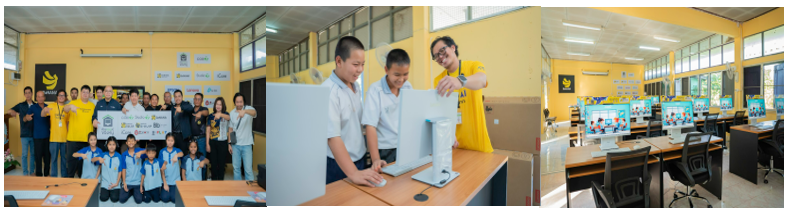
"Bright Smiles from Com7" Project
The company contributed to the Tawanchai Foundation (under the Royal Tawanchai Project), established to provide treatment, rehabilitation, and development for underprivileged patients with cleft lip, cleft palate, and craniofacial deformities. In 2025, the company contributed 200,000 Baht to the Tawanchai Foundation, covering the treatment costs for one patient. This initiative aims to deliver smiles and happiness, promoting a better quality of life for vulnerable children with cleft lip and cleft palate. The company is committed to continuously bringing smiles to patients for the 13th year, having helped a total of 29 vulnerable children with cleft lip and cleft palate.
"Com7 Classroom" Project
In 2025, the "Com7 Classroom" project was initiated, involving the signing of a Memorandum of Understanding (MOU) with educational institutions for a dual vocational education program, the Com7 Classroom at the Higher Vocational Certificate (Por Wor Sor) level, a 2-year curriculum, under the "Study for Free, Earn with Com7" project. Participants in this project are required to complete the curriculum within the specified period and undertake practical training at BaNANA and TRUE by Com7 stores. The company will assign knowledgeable and skilled employees in products, services, and sales to teach in the Com7 Classroom, providing direct experience that enables students to gain knowledge and understanding applicable to real-world practical training. Students participating in the project will receive income and benefits such as daily allowances, accommodation expenses, travel expenses, health insurance, and job placement opportunities after graduation.
This project helps vulnerable groups in the community and society access education and build sustainable careers, thereby enhancing the organization's positive image and enabling proactive workforce planning, reducing recruitment time and costs, and mitigating resource shortages. In 2025, the company signed Memoranda of Understanding (MOUs) with 9 educational institutions across the Central, Eastern, Southern, and Northeastern regions. Student selection for the project will commence in the academic year 2026 onwards, with a target of enrolling 135 students under a budget of 23,193,000 Baht for the entire educational program.
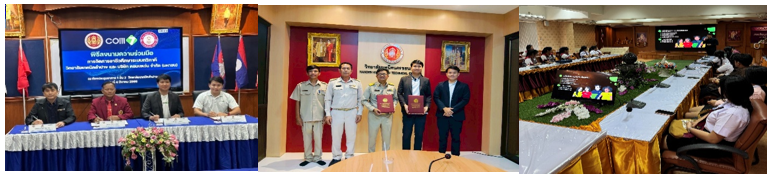
Other Projects
1. Bake the Sounds of Love Project
The company organized a Valentine's Day activity, "Bake the Sounds of Love," allowing employees to enjoy DIY decorating adorable cupcakes. The proceeds from cake sales, totaling 3,450 Baht, were donated to the Association of Thai Traditional Medicine Practitioners for the Blind in Thailand. This initiative aims to bring happiness to society and allow employees to enjoy decorating cupcakes in their own style amidst a warm atmosphere.
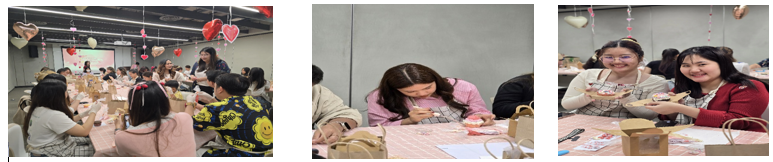
2. "Leftover...I Want Year 2" Project
The company organized the "Leftover...I Want" activity for the second consecutive year, collecting donations of items such as clothes, strollers, baby bottles, diapers, toys, books, drinking water, and essential supplies. It also provided scholarships totaling 32,864.16 Baht to Baan Nokkamin Foundation, to be distributed to vulnerable groups, underprivileged and disabled children. This initiative aims to spread happiness, bring smiles to the children, and fill the hearts of both givers and receivers with warmth.
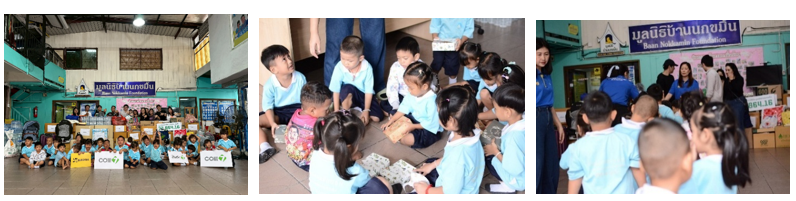
3. "Com7 Share Fullness, Share Love, Provide Warmth to Stray Animals" Project
The company organized the "COM7 Share Fullness, Share Love" activity to provide an opportunity for employees and philanthropists to share kindness through monetary donations and essential items for stray animals. These contributions were used to purchase pet food and necessary supplies for "Baan Nang Fah Khong Sat Jorn" (Angel's Home for Stray Animals), totaling 16,537 Baht. This initiative helps enhance the happiness and quality of life for stray animals, representing a continuous collective effort to deliver happiness and benefits to society.
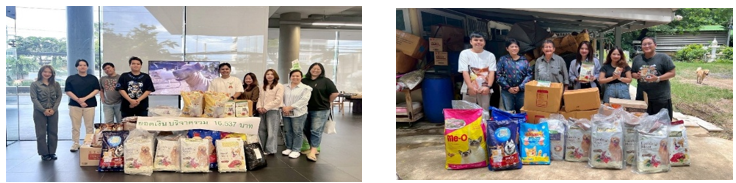
4. "Com7 Beach Clean Up" Project
The company organized a beach clean-up activity at Bang Saen Beach, Chonburi Province, to foster a corporate culture of sharing and social responsibility, while also providing employees with the opportunity to help preserve the environment in the local community. Through this activity, 117.25 kilograms of waste were collected, helping to protect marine animals from ingesting and becoming entangled in debris, reducing soil and water pollution, and preserving the beauty of the beach as a tourist and recreational destination.
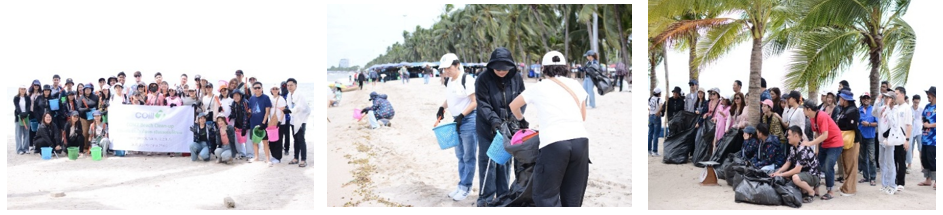
5. "Com7 Lotto for Life" Activity
The company organized a social activity named "Com7 Lotto for Life" to promote a corporate culture of sharing. Employees were encouraged to donate unused lottery tickets to Wat Huay Moo and the Ratchaburi Special Children's Public Welfare Center. These old lottery tickets would be crafted into wreaths and funeral flowers for sale, with all proceeds used for scholarships and care expenses for special needs children at the Ratchaburi Special Children's Public Welfare Center.
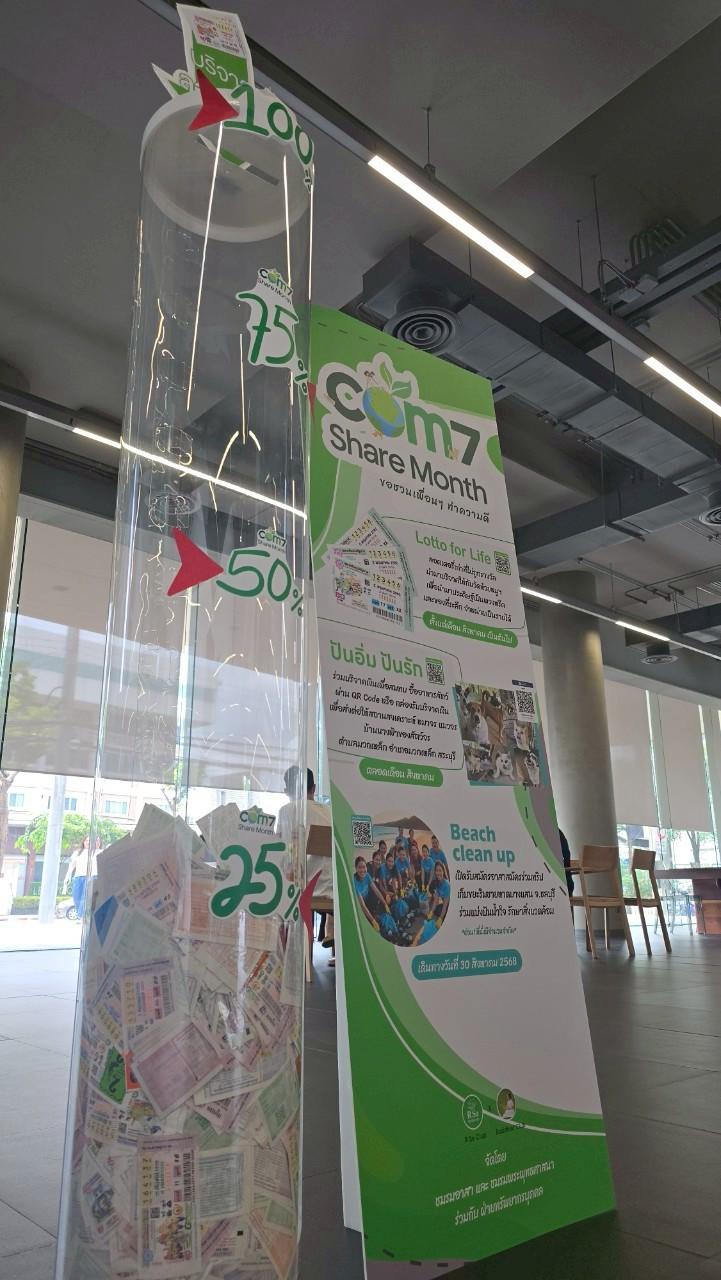
6. Activity to Deliver Care to Songklanagarind Hospital
The company participated in assisting and supporting IT equipment and electrical appliances for the Faculty of Medicine, Prince of Songkla University, delivering them to medical personnel and relevant departments of Songklanagarind Hospital, which became a field hospital and a relief center for major flood victims in Hat Yai at the end of 2025. This initiative aimed to alleviate suffering and show support in fighting alongside medical personnel. Furthermore, it received support from partner brands, namely: JisuLife, SiamEcoFlow, XML Solar, Marshall, JLAB Audio, and HP, which collectively donated IT equipment and electrical appliances valued at 562,500 Baht.
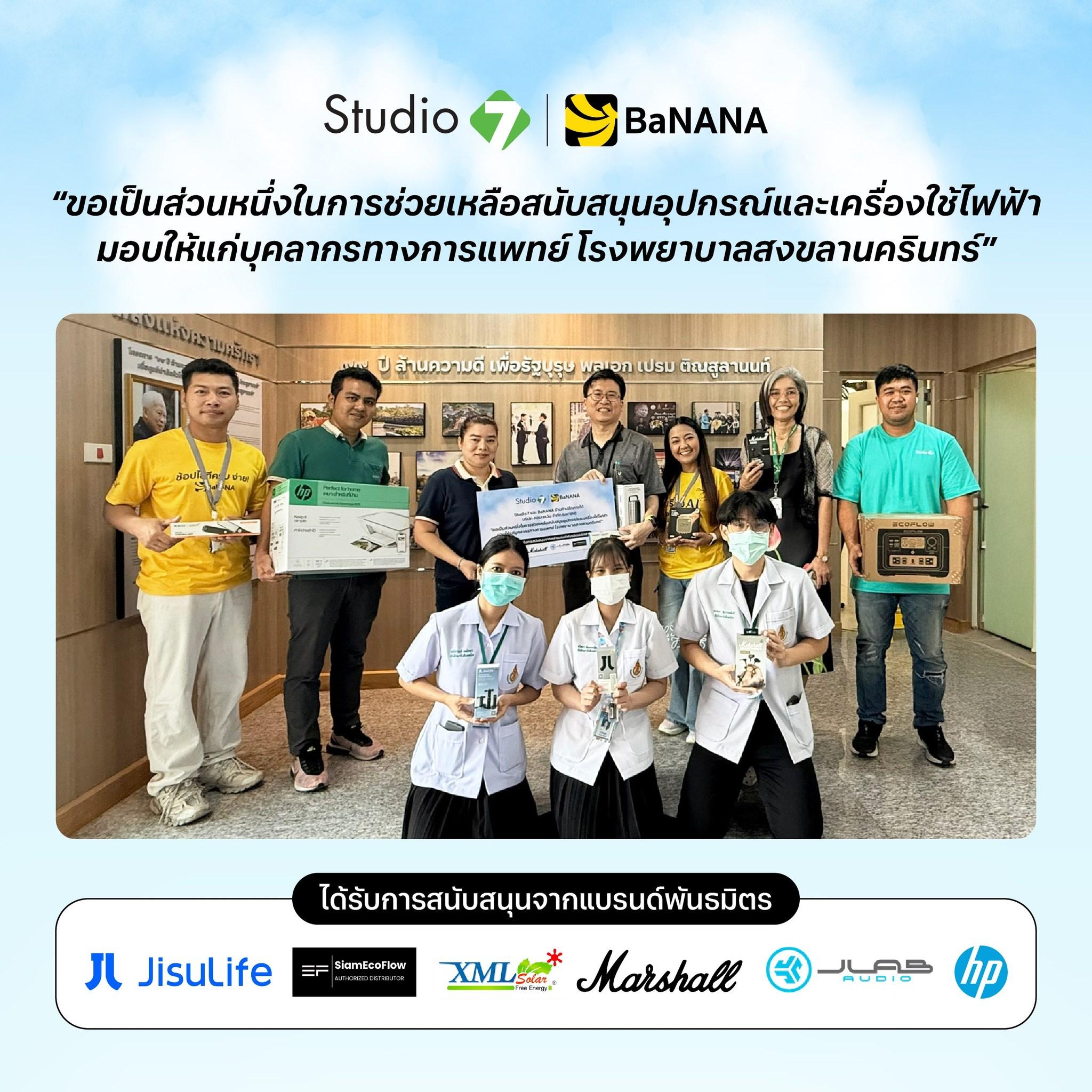
7. Sharing Activity for Bang Na Residents
The company extended the power of sharing, supporting vulnerable groups in the Bang Na area by delivering consumer goods to the project. BKK Food Bank (Bangkok Metropolitan Food Bank) in Bang Na District is a project that helps reduce inequality, promotes food security, and creates a sustainable society. The Bangkok Metropolitan Administration collects surplus food and distributes it to vulnerable individuals facing food shortages, thereby reducing food waste by 50% of all waste and lowering waste management costs. It also provides encouragement to vulnerable groups to overcome difficult times without feeling isolated.
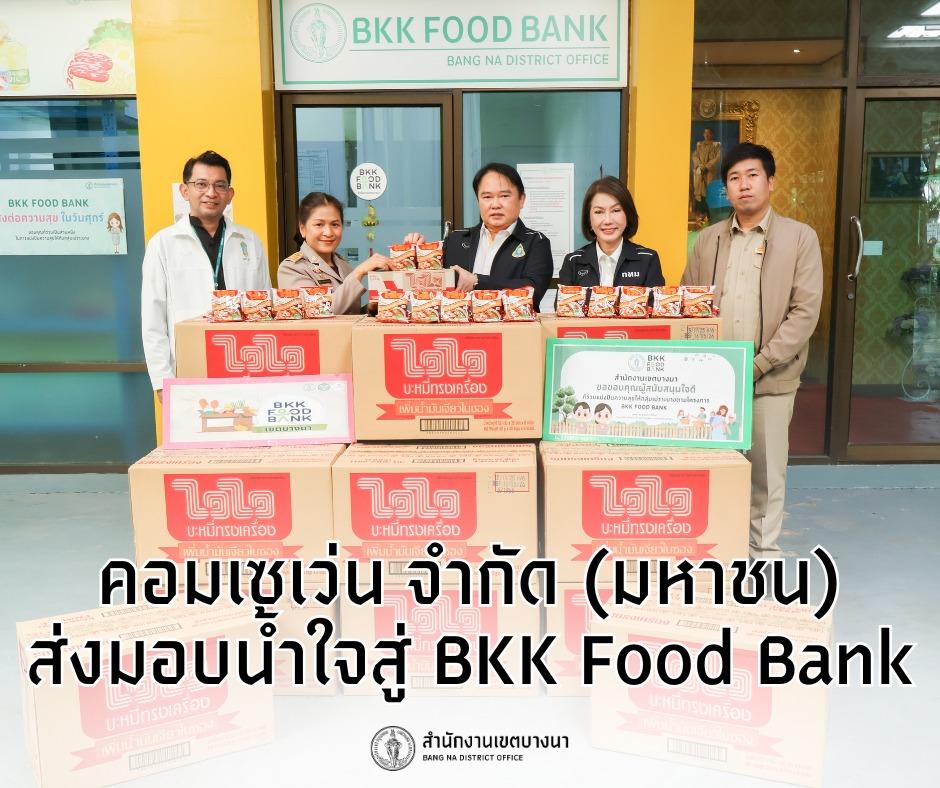
8. Blood Donation Project
The company collaborates with the Thai Red Cross Society to support blood donation, aiding patients who require blood for treatment due to accidents, surgeries, postpartum hemorrhage, thalassemia, etc. Blood donation also benefits donors by stimulating bone marrow to produce new blood cells, improving blood circulation, among other advantages. The company has continuously run this project for 9 years, and in 2025, 134 employees participated, donating a total of 60,300 milliliters of blood.

Other Social Management
Plan & Outcomes — Description
Cybersecurity Management
The company prioritizes the implementation of information technology and cybersecurity to ensure business continuity, robust protection of company data, and prevention of potential impacts on both internal and external stakeholders, especially in cases of system failures or personal data breaches involving employees, partners, and customers. To build confidence among all stakeholder groups, the company has adopted modern and efficient technological systems, including adherence to international standards and government regulations, while meticulously assessing cyber risks to manage risks and opportunities appropriately.
Information Technology and Cybersecurity Management Structure
The ISO/IEC 27001 Information Security Management Working Group defines the Information Security Policy (IT Policy) and related documents, communicating their importance to all directors, executives, and employees, and providing training to ensure awareness and compliance with the Information Security Policy. Furthermore, it considers penalties for those who violate the Information Security Policy and assesses cybersecurity risks. An audit officer has been appointed to inspect and monitor cybersecurity performance, reporting to the Chief Operating Officer of the Business Services and Organizational Innovation lines, who serves as the senior executive for cybersecurity in charge of infrastructure, network, and information data security ( ISMS Steering Committee), comprising individuals with managerial-level technological expertise, and has established a cybersecurity unit to manage cybersecurity in accordance with ISO/IEC 27001 standards.
Management Approach
The company has established an Information Technology Policy (IT Policy) to guide data usage, operations, development, and maintenance of IT systems in a manner that is appropriate and compliant with relevant laws and security requirements for employees, customers, and business partners, such as the Personal Data Security and Privacy Policy for customers, etc. This serves as a guideline for all directors, executives, and employees to strictly adhere to. The company conducts risk assessments and has contingency plans for various IT system incidents to enable rapid threat prevention and recovery.
The company has communicated and provided training to all employees to raise awareness of cyber threats, risky behaviors in the cyber world, prevention methods, and the maintenance of cybersecurity and information technology system security. Furthermore, it has implemented technological systems for protection in accordance with international standards for data security management systems, international security practices, and has strictly defined control measures for installing data systems in designated areas and managing system equipment and data access as specified.
Operational Results
In 2025, the company is in the process of seeking ISO/IEC 27001 (Information Security Management System – ISMS) international certification for information security management, which provides a framework for IT and cyber management operations. Certification is expected by 2026. Additionally, the company undertakes other related activities as follows:
Process Aspect
The company adheres to legal principles in maintaining cybersecurity, establishing policies and operational procedures for securing the organization's information technology and communication systems in accordance with ISO/IEC 27001 and NIST Privacy Framework standards, such as Control of access to information technology systems, processes for requesting system access rights, management of data access based on classification levels, management of network system access, processes for controlling entry and exit to the IT center room, etc. This includes risk assessment, risk management, and contingency plans for information technology systems for various potential incidents (IT Risk Management and Contingency Plan), such as antivirus failure, primary server failure, intrusion prevention failure, etc.
Technology Aspect
The company possesses an internationally standardized computer center, along with a fully operational backup computer center, with access strictly controlled for authorized personnel only.
The company continuously updates its computer network systems to ensure availability and prevent system failures by backing up network systems and servers to enable continuous operation with minimal downtime. This is to prevent unauthorized individuals from intruding upon/damaging the network and Enterprise Resource Planning (ERP) systems or stealing data for inappropriate use.
The company has implemented appropriate technologies to prevent, detect, deter, and alert against unauthorized network or system access, such as installing high-performance antivirus systems, Firewalls, Intrusion Prevention Systems, Anti-Malware, Web & Mail Security, Threat Detection & Prevention Systems, Active Directory, Patch Management, Security Information, etc.
The company conducts annual testing of its Disaster Recovery Plan in the event of a disaster. Effectively prevents and recovers systems, enabling continuous business operations.
Daily Operations and Monitoring
Users can report security incidents to the security team at any time. The team will investigate and manage abnormal events that occur outside of existing standards (Incident Management) with the objective of restoring operational systems to normal conditions, under the control of an SLA (Service Level Agreement), through a rapid and feasible process that minimizes impact on the business. This includes defining priority levels, resolution, and notifying of intrusions or violations of security practices through designated systems, both automatically inhibiting and alerting.
Personnel Aspect
Provide training to new employees on software or application usage during the onboarding process, and conduct training on enhancing data security and cybersecurity management for all employees. Additionally, communicate cybersecurity risks and prevention methods to mitigate potential risks and raise awareness of cyber threats (Security awareness) by disseminating relevant information through company channels such as Outlook, Workplace, IT-Easy App, and public notice boards, to ensure that all directors, executives, and employees are informed.
Law Violation Incidents
Law Violation Incidents
| Metric | Current Year | Previous Year | Two Years Ago |
|---|---|---|---|
| The total number of cases or incidents of significant violations of laws or regulations regarding social and human rights (Cases) | 0 | 0 | 0 |
| The total number of cases or incidents that cause significant labor disputes (Cases) | 0 | 0 | 0 |
| The total number of cases or complaints related to consumer rights violations (Cases) | 0 | 0 | 0 |
| The total number of cases or complaints related to partner rights violations (Cases) | 0 | 0 | 0 |
| The total number of cases or incidents that cause disputes with the community/society (Cases) | 0 | 0 | 0 |
| The total number of cases or incidents related to cyber security or customer data breaches (Cases) | 0 | 0 | 0 |
| The total number of cases or incidents related to safety and occupational health at work (Cases) | 0 | 0 | 0 |